Category Archives: Modeling

USS Chickasaw Part 6: Sheeting

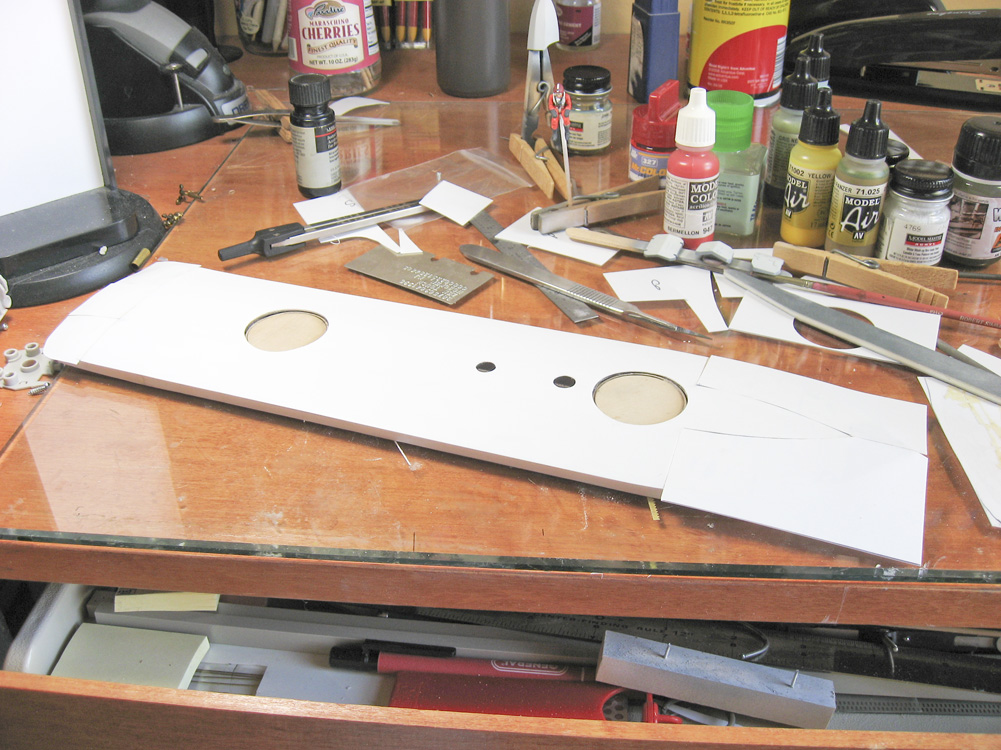
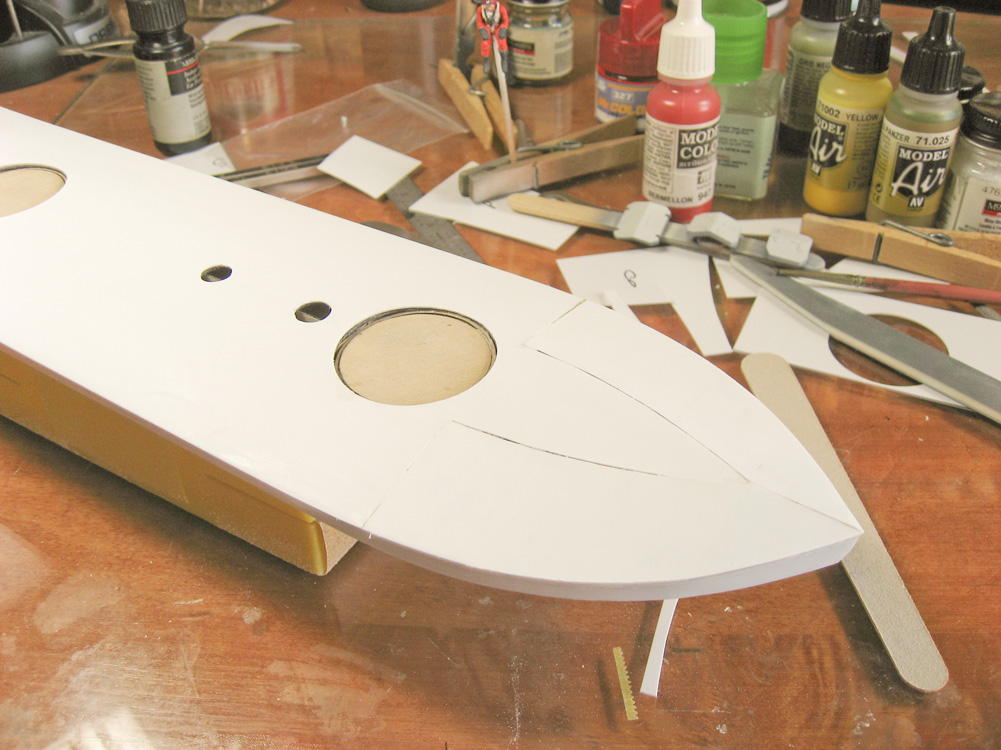
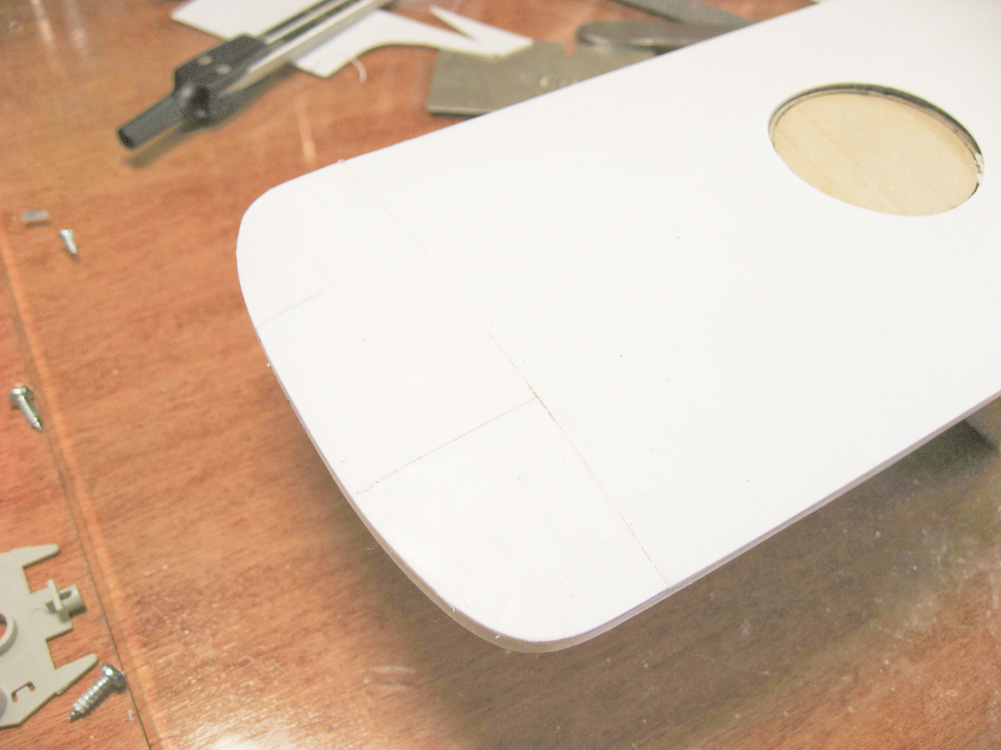
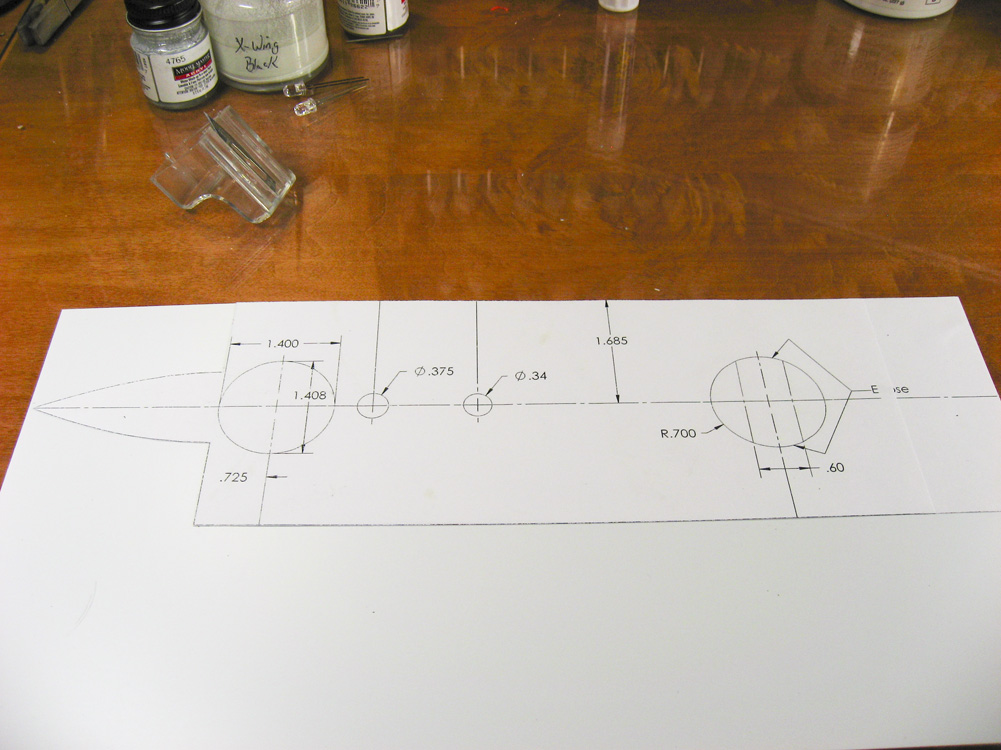
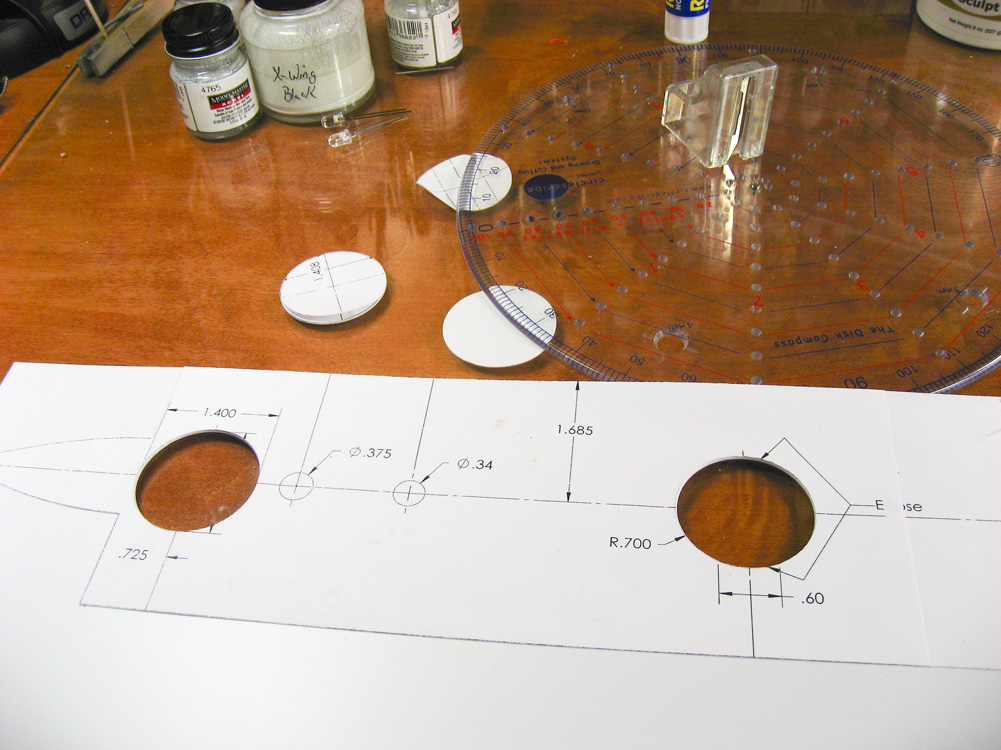
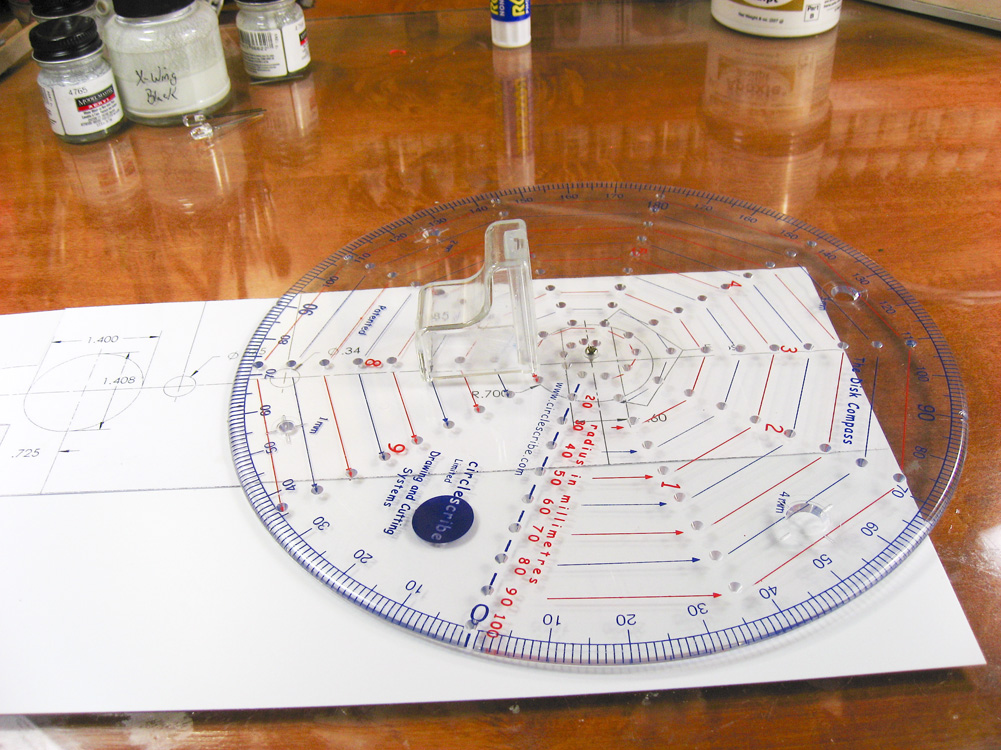
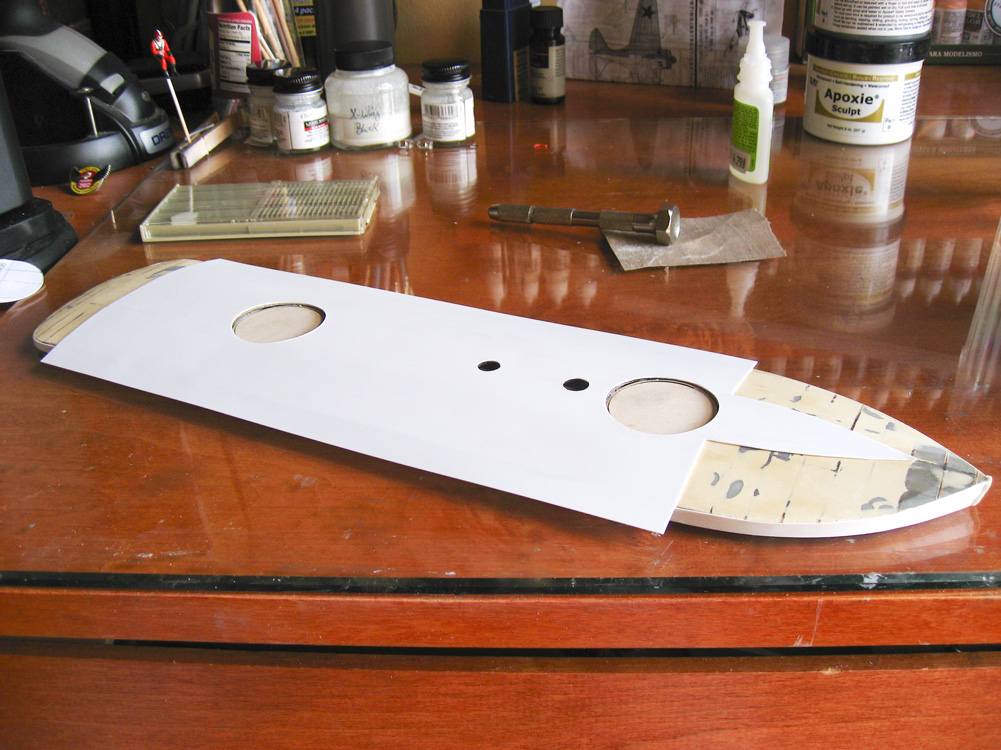
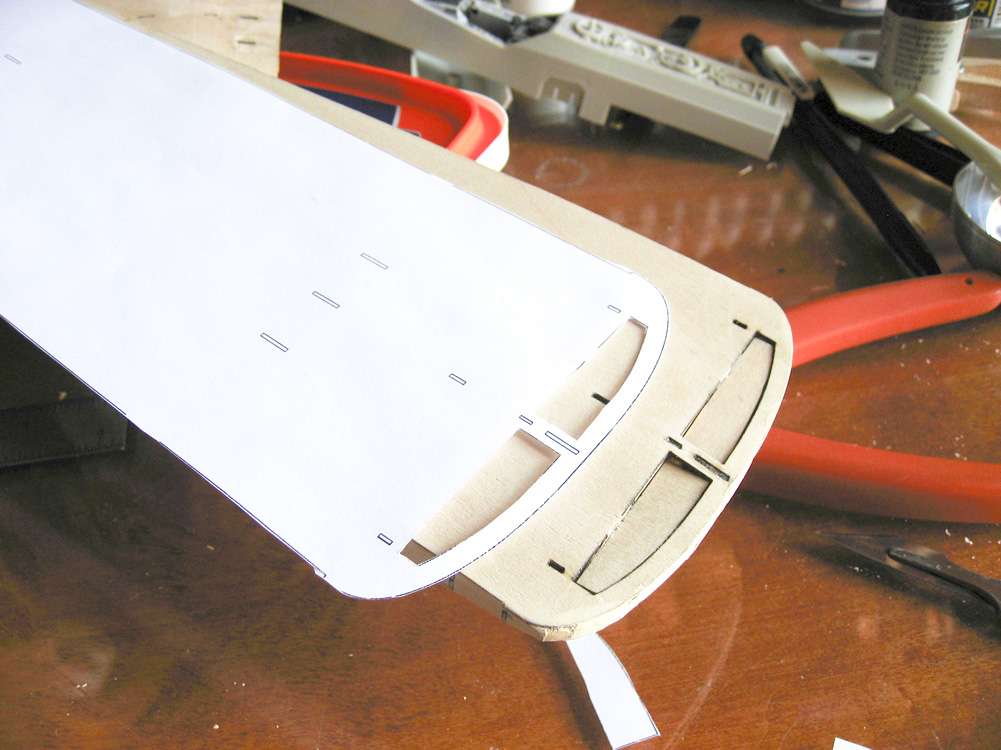
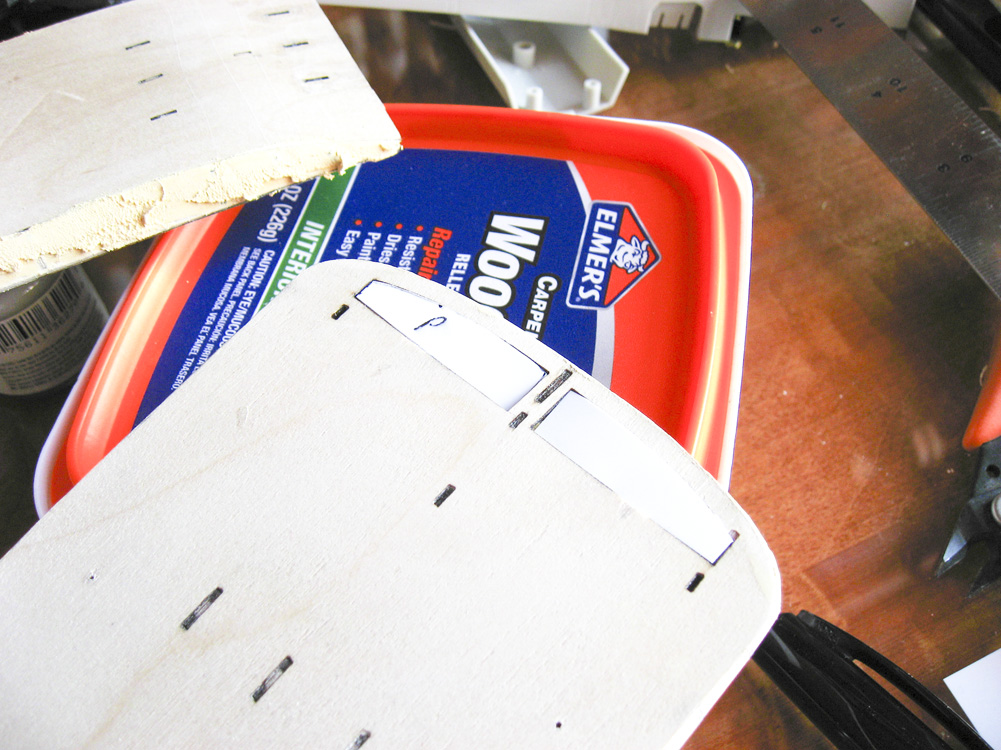
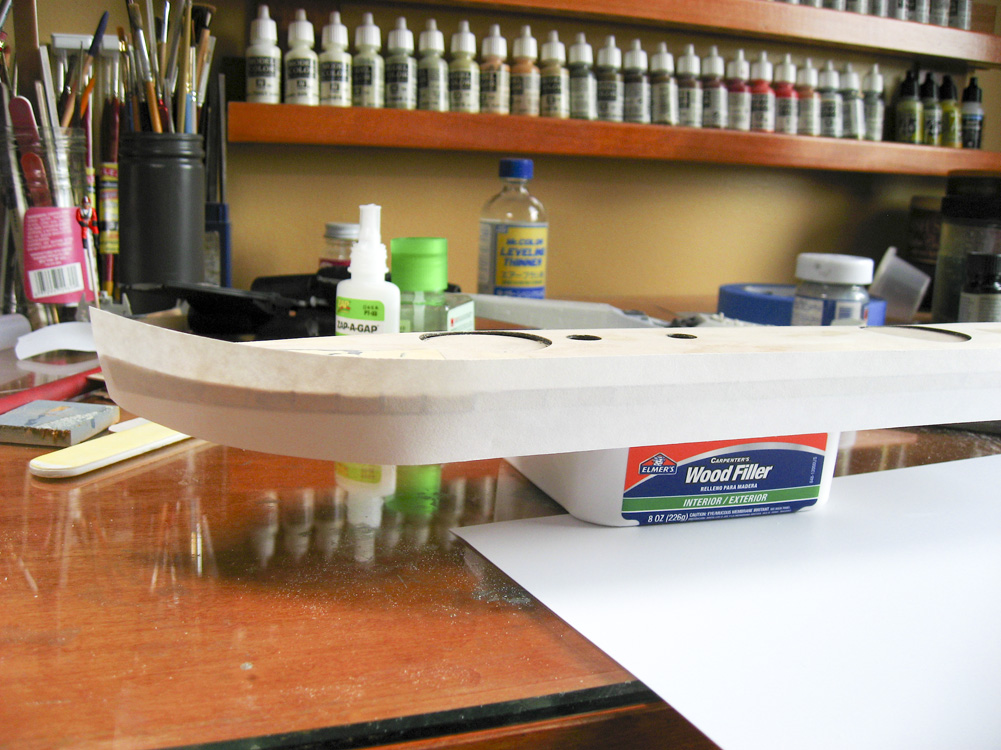
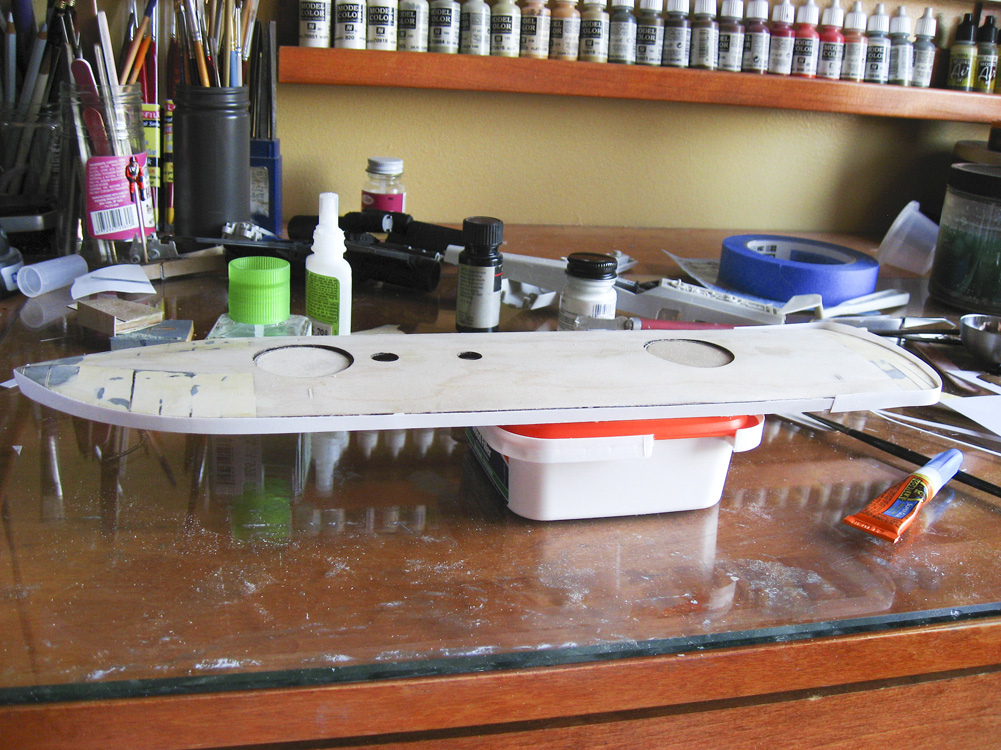
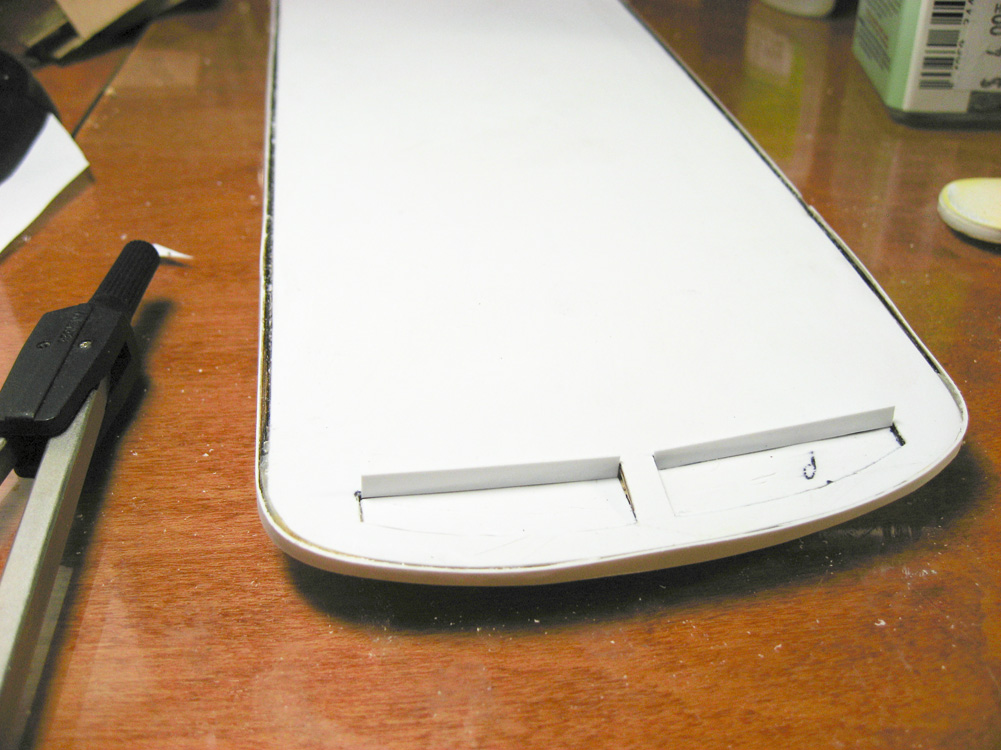
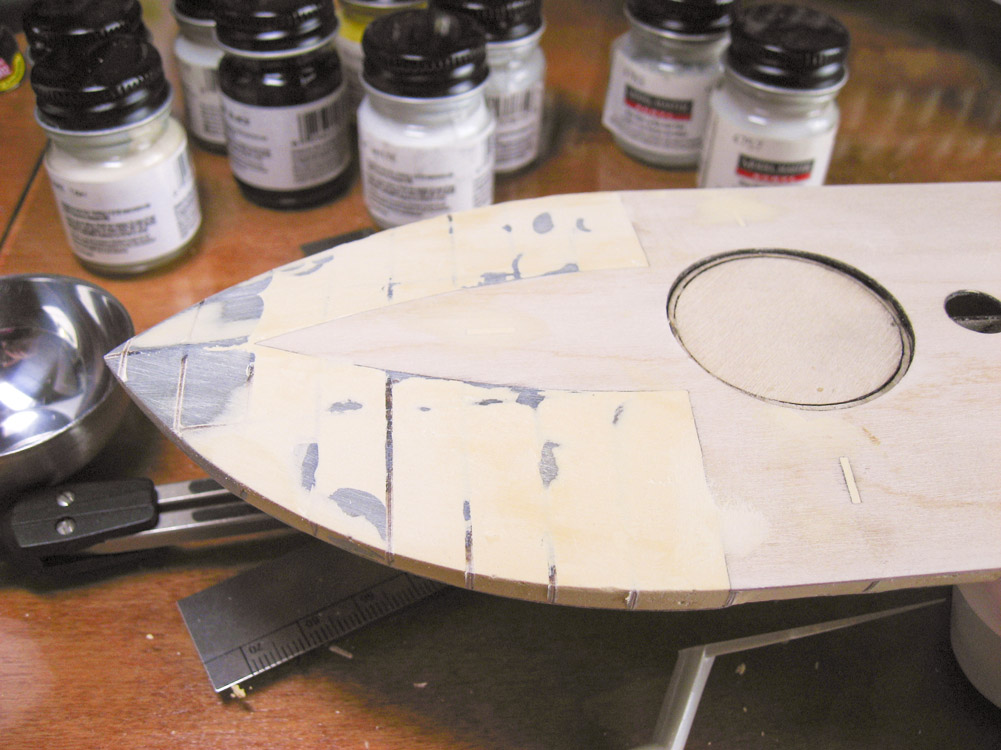
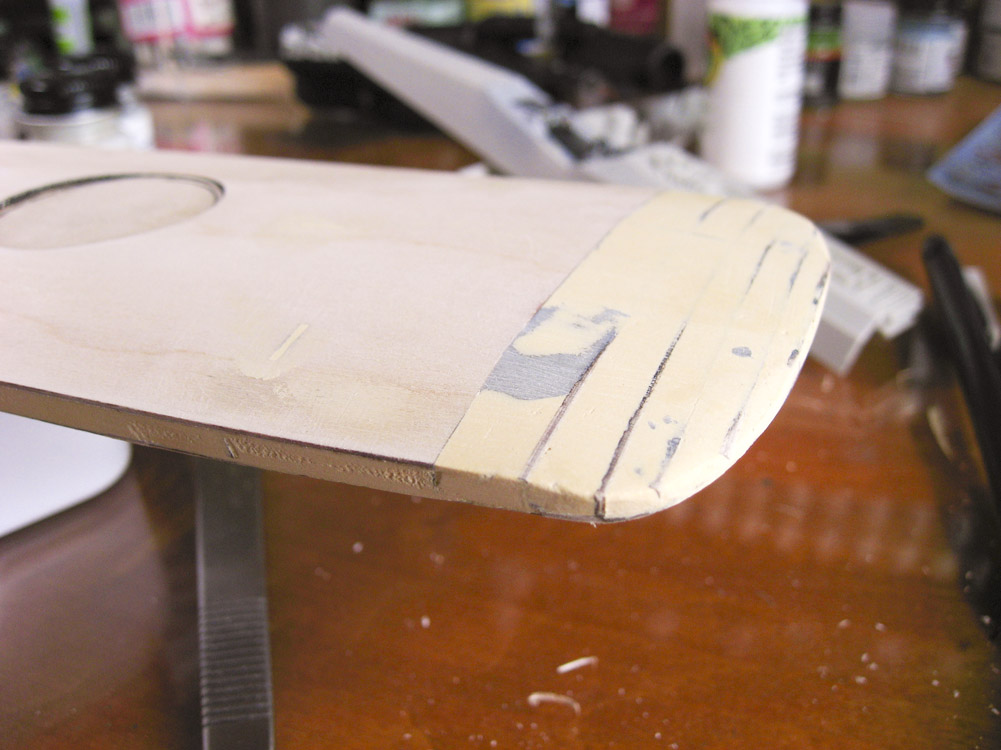
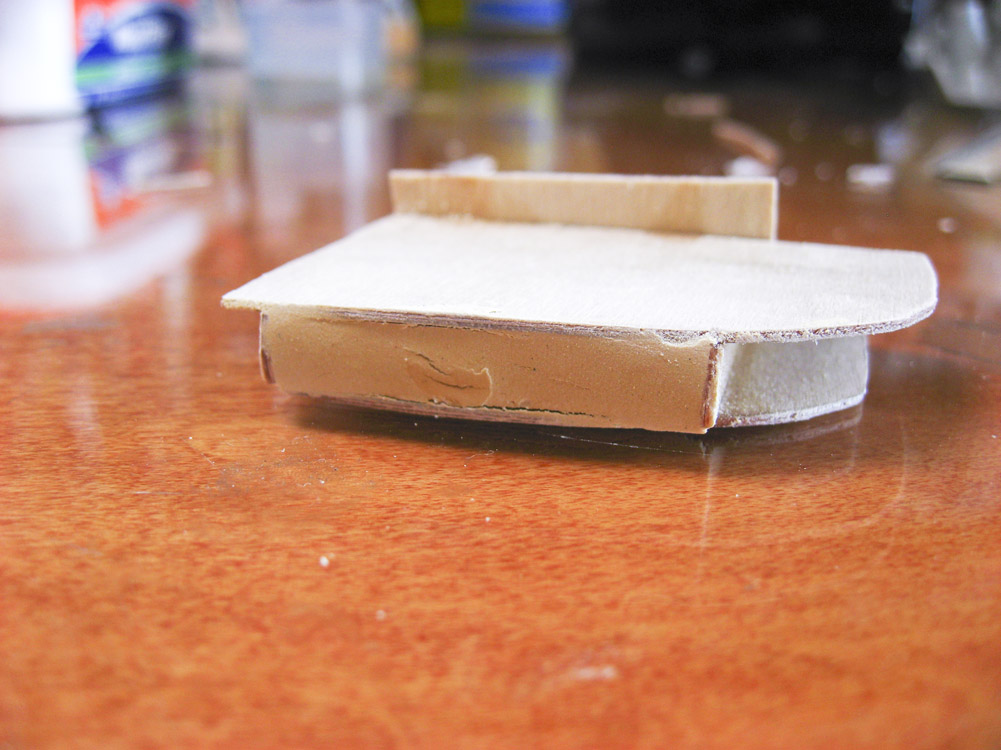
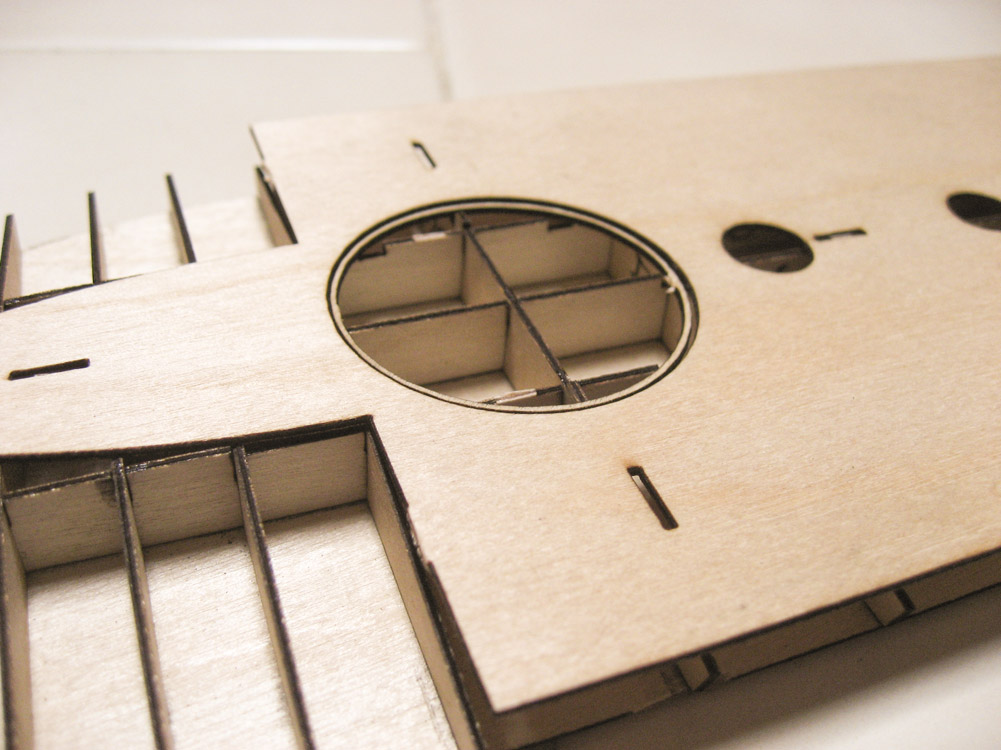
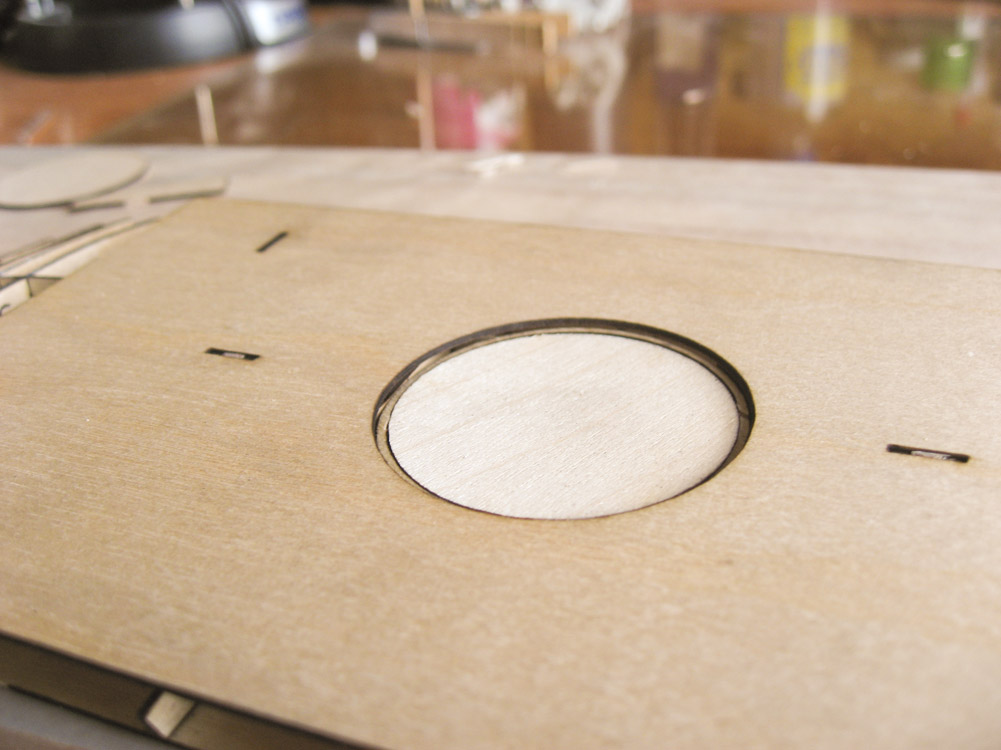
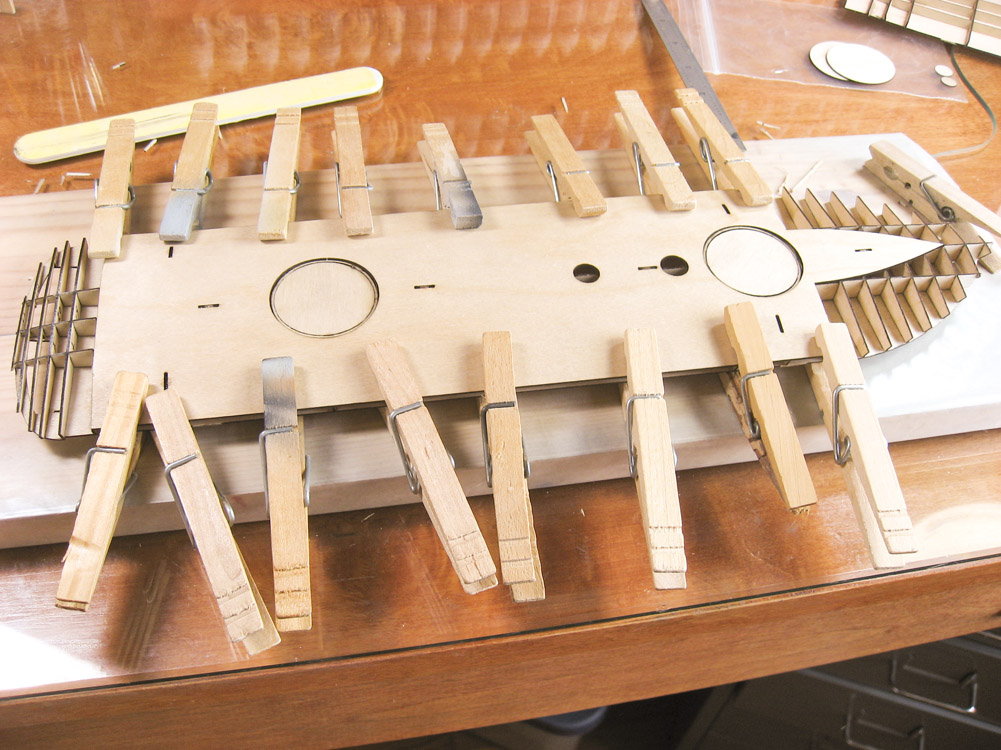
Little slow on the build lately. Work got busy, came down with a cold, and my writing has taken an uptick lately as I work on some novel edits. Another delay came from spending time in testing glues with styrene sheeting and the plywood/putty surface. Gorilla Glue, surprisingly, didn’t work at all.  Plastic pulled off like it had been stuck on with Scotch tape. The Gorilla Super Glue Impact-Tough (formulated with rubber particles for elasticity), worked the trick, though, and it holding like nobody’s business. Progress photos below. I hope to have everything sheeted and ready to prime and scribe within a week or so.

USS Chickasaw Part 5: Filling In

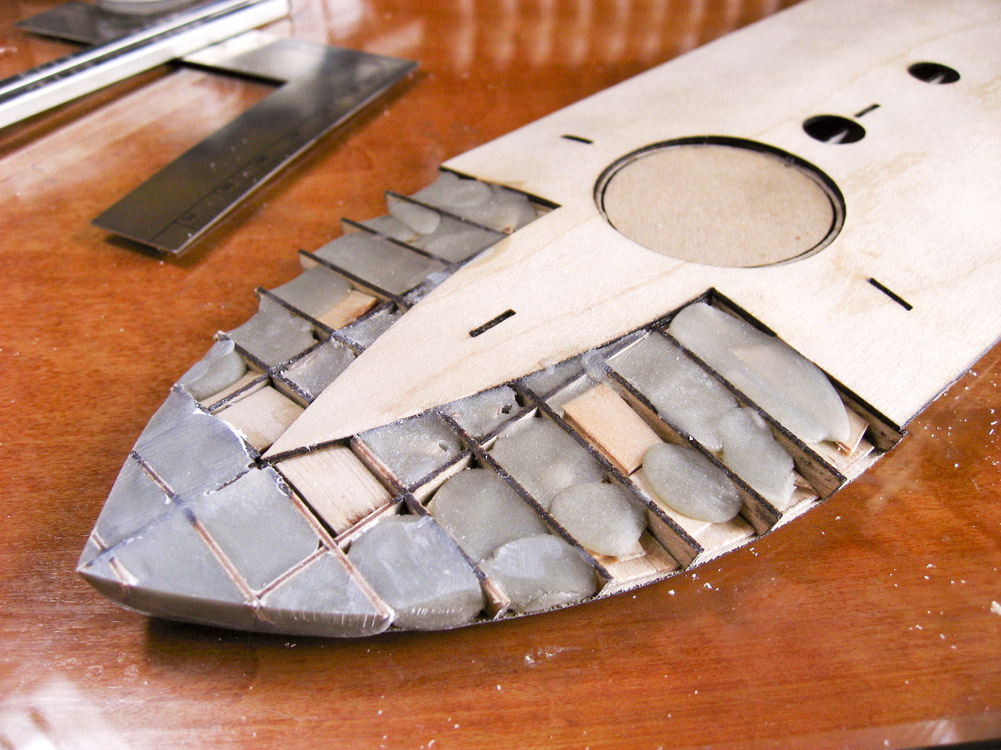
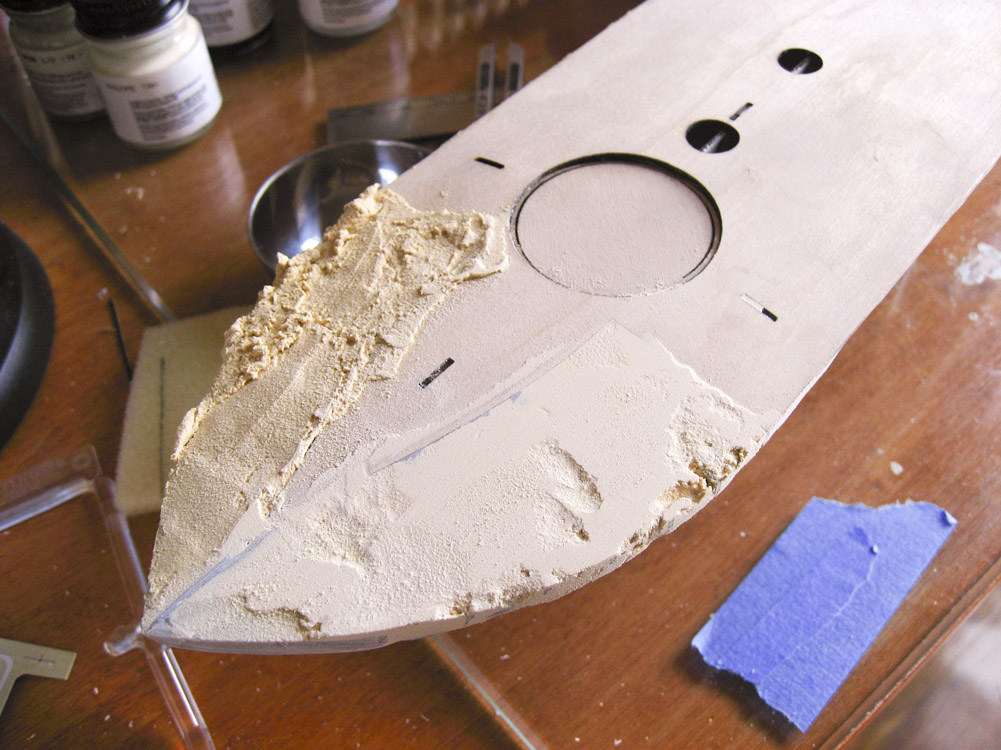
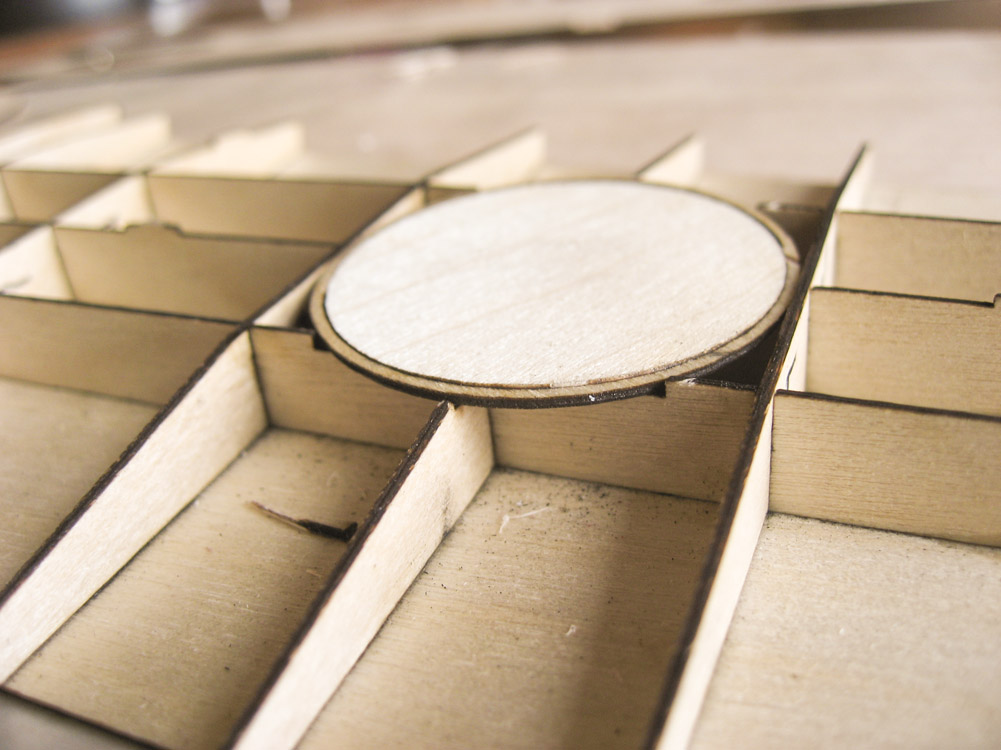
Once the ribs were filled in as much as I could with scrap wood, I switched to epoxy putty, Aves Apoxie Sculpt to be precise. I used this at the extreme bow where shaping is crucial. Apoxie Sculpt sands a lot like resin once set up, but a little more dense. It sands well, takes an edge like crazy (I’m convinced you could make a knife blade with this stuff and get it razor sharp), and is great for shaping and detailing. Once that was done, it was on to the wood putty.

I took delivery of styrene over the weekend, all the way down to .005″. Not much thicker than paper. It’s going to be fun figuring out what type of adhesive to attach this stuff with!

USS Chickasaw: Part 4 Testing Methods

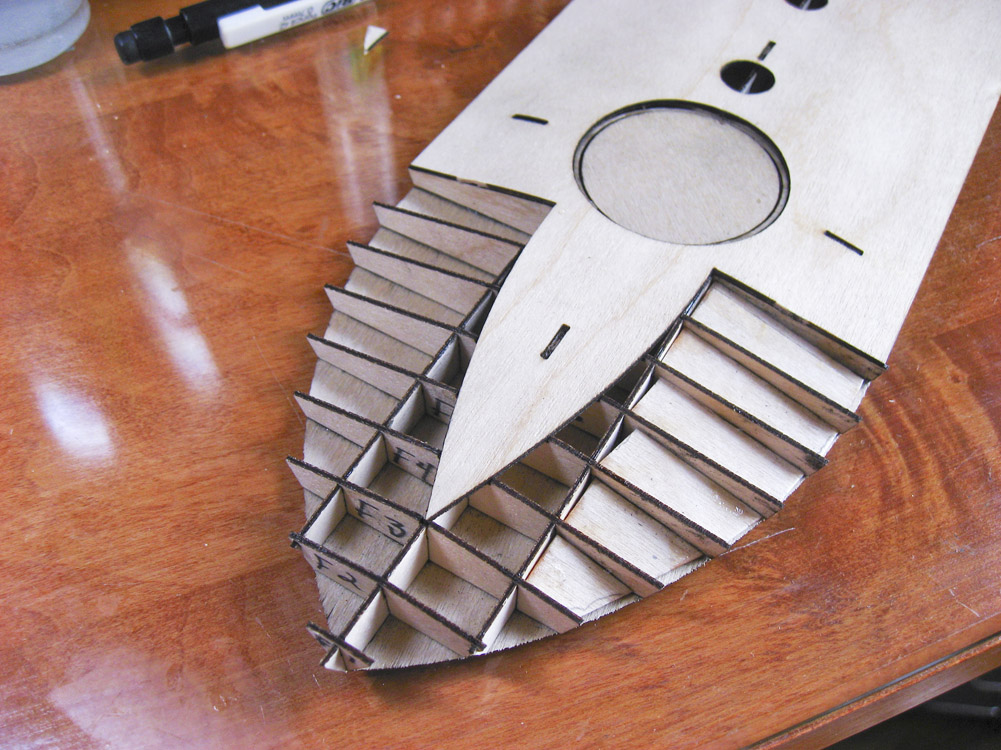
One of the more interesting and enjoyable, and often frustrating, parts of trying something new is figuring out exactly how to do it. Since I’ve got Chickasaw framed up, Dean and I have discussed it and I realized that I do not need to sheet the open structures. The model was designed to have the voids filled and then detailed. This is possibly a hold-over strategy from when we were going to have this cut out of styrene (neither of us can remember at this point!) and it would have worked well with that approach, but for plywood it doesn’t. I need a layer of styrene to work with for scribing, detailing, etc. Therefore, I’m going ahead with filling the open structures and I have ordered some .005 and .010 thick styrene from Evergreen to use for sheeting; that’s as thin as they make it.

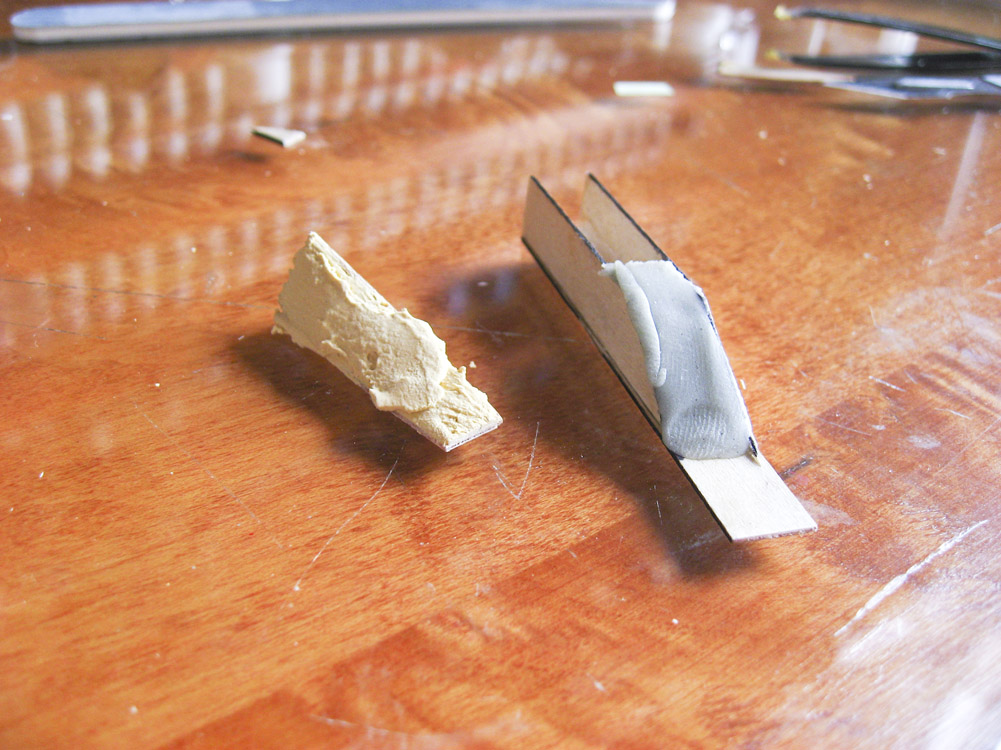
So I need to test how to best fill the openings. My initial thoughts were expanding foam. A quick Google search of R/C and other modeling sites returned phrases like “exploded the rib assembly” and “still expanding after two weeks!” and talked me out of that real quick. Below are some of my test pieces that I built from scrap to do some experiments:

USS Chickasaw: Part 3

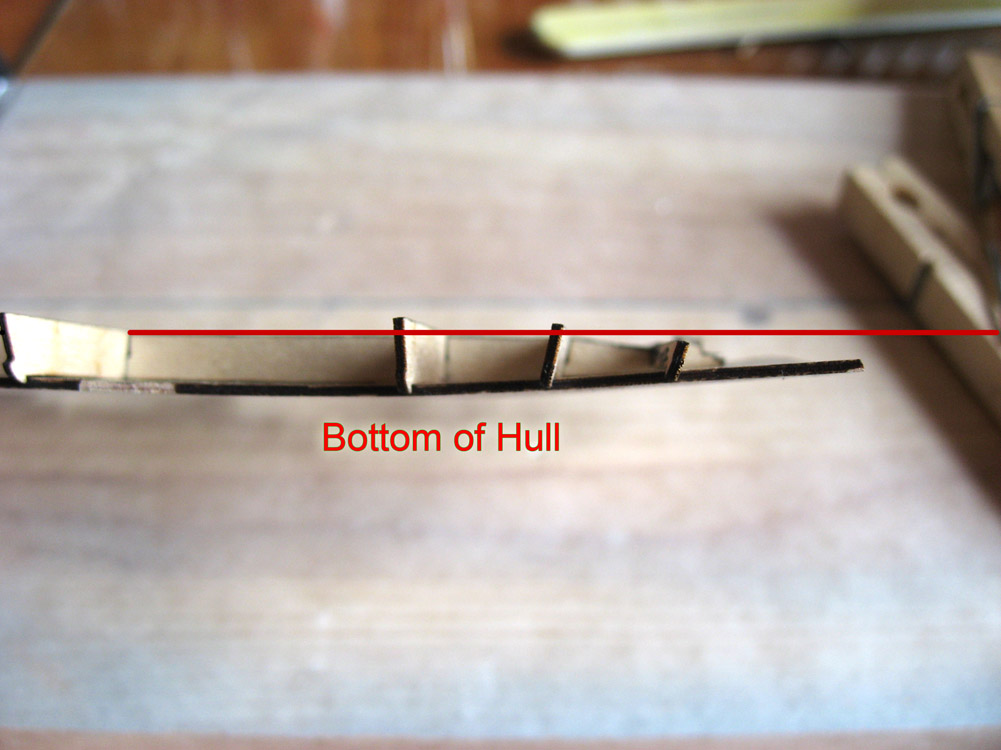
I’ve all the framing done and the major sheeting applied. I have had issues with wood warping, as annotated below, but I’ve mostly been able to work around it. This is still going together very well, and even though this is the first wood model I’ve built… well, ever… it’s enjoyable.

The final photos show the mock-up with the 3D printed turrets. I’m still deciding if I want to use these as-is for this build, or if I want to try my hand at casting them in resin.

USS Chickasaw: Part 2

I’ve been sidetracked on another project (that I’ll post about next week) and Chickasaw has languished on the shelf.  I freed up some bench space, though, and here we go…

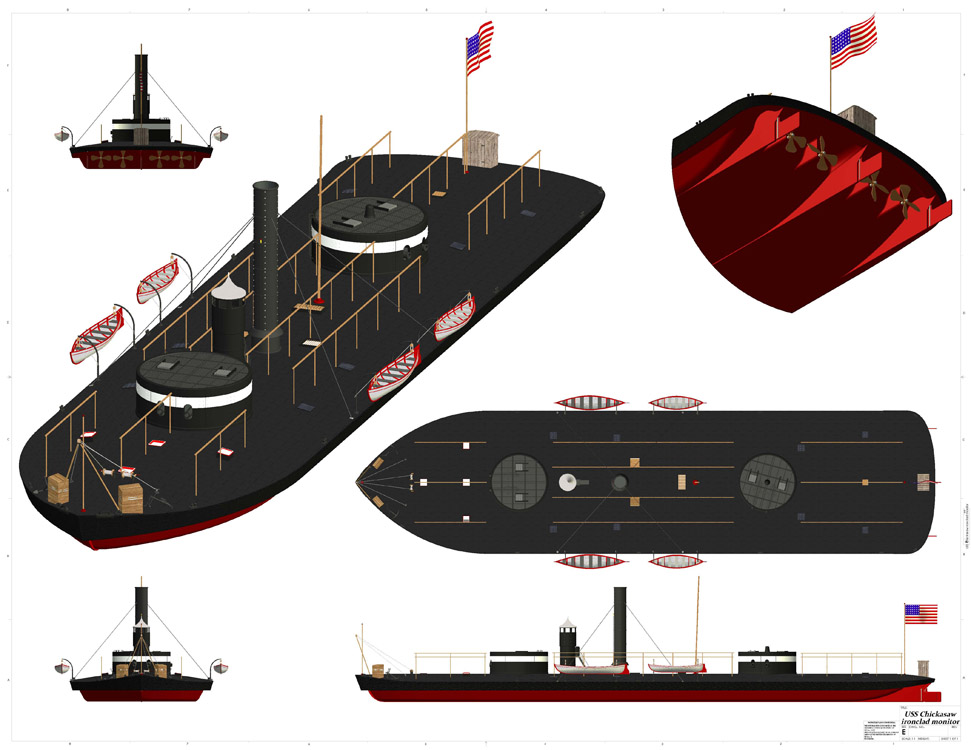
New Project: USS Chickasaw

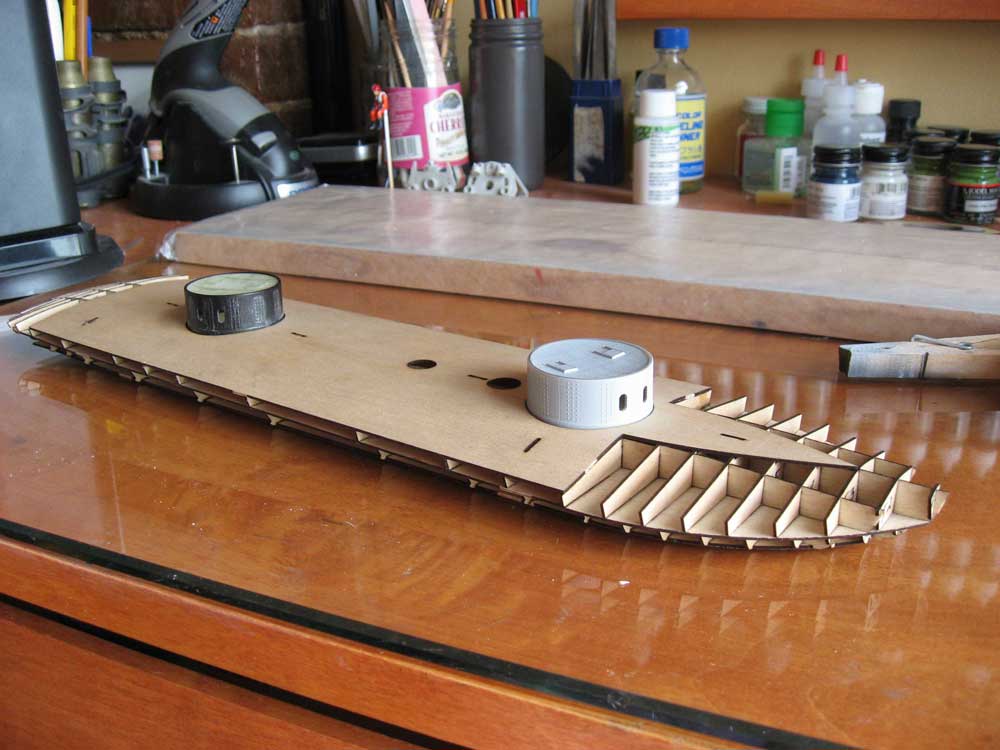
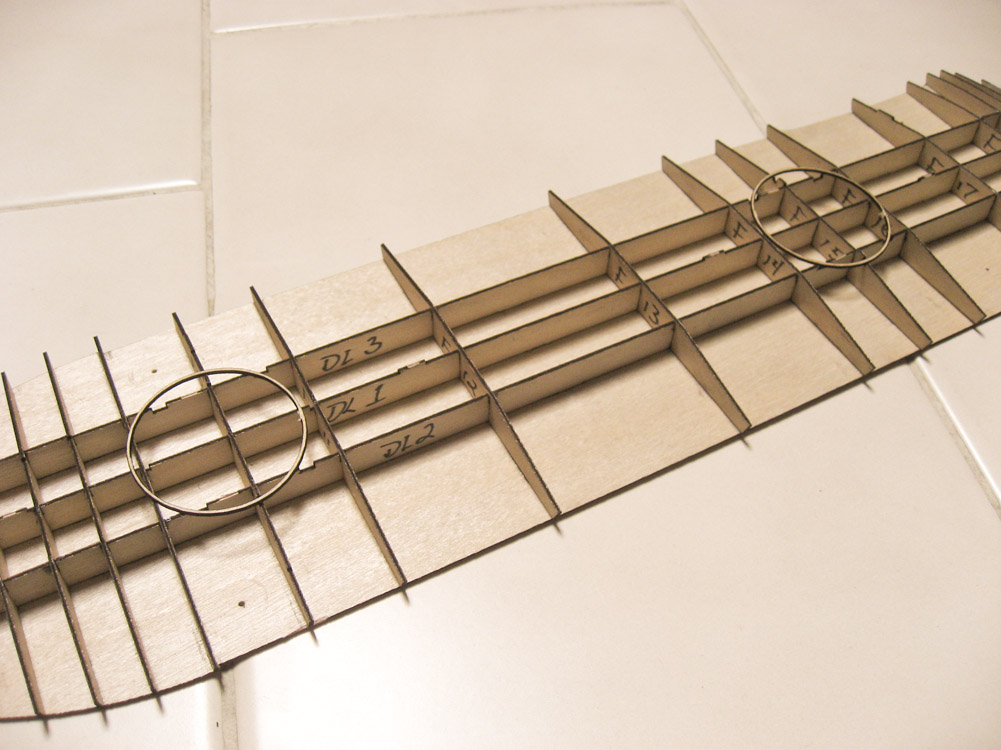
This is a 1/200 scale scratch build. I am cheating a lot on this one, though, as the bulk of the framing was done in a 3D CAD program by Dean Horvath. He broke the 3D model down into kit components and we had it laser cut from thin plywood for me to assemble. The process of the 3D design can be found on the Modelwarships.com website HERE.

At 1/200 scale the hull will be right at 14″ long. We split the hull into upper and lower parts, so that it can be built full hull or waterline. I still haven’t decided yet if I’ll just build this as-is, or seal it up and cast resin hulls for the actual detail and finishing portion. I’m leaning towards the latter.

For this first post, Continue reading
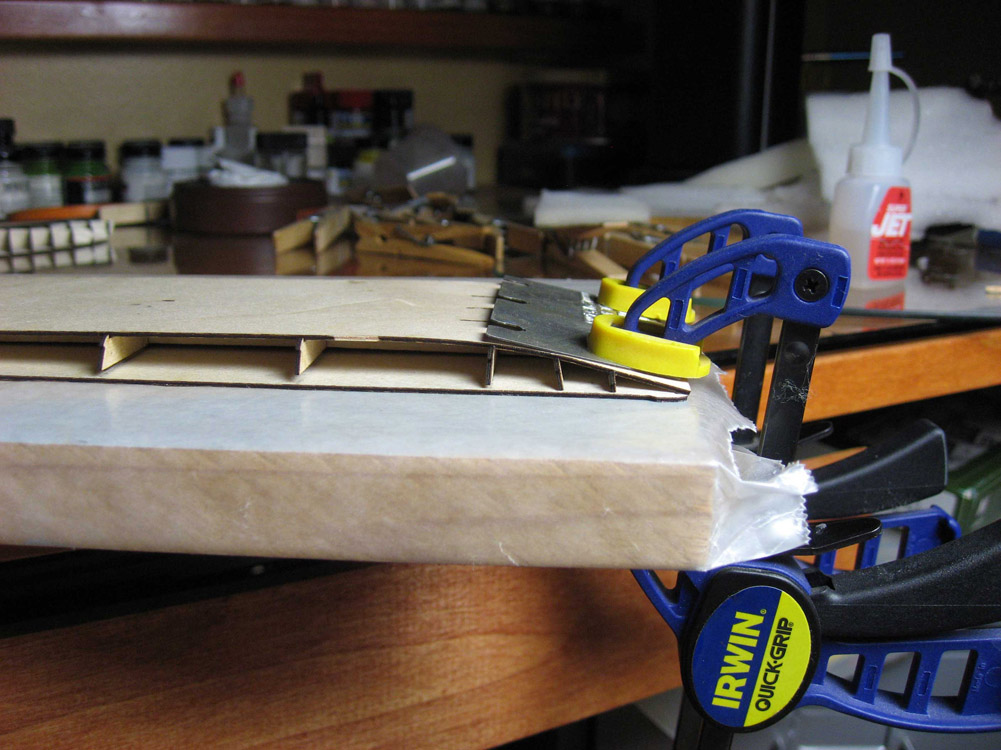
F4U-1 Corsair: Complete!

She’s all done. I’m quite happy with how she turned out. My original goal was to build this completely in three weeks.  Well, it took 7 weeks and 1 day, but considering I had a week in Los Angeles and Las Vegas in there, and some other work commitments, I’m happy with the turn-around time.  I haven’t built a model this fast since I was in high school! Continue reading
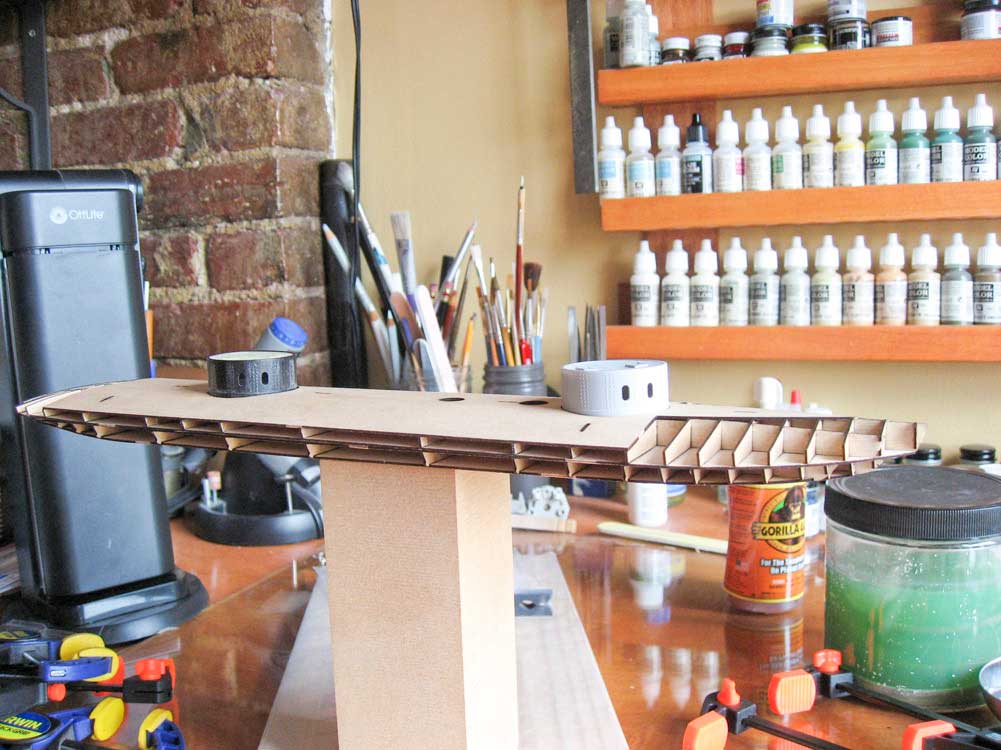
F4U-1 Corsair: Final touches

Here she is gloss-coated, decals applied (numbers and nose art), waiting for the detail wash.I’m at my favorite part of a build with the Corsair: the last minute touches and weathering that make everything come alive. I’ve been at it most of the day today, swapping between airbrushes — one set up to spray acrylic, the other to spray lacquer — and jumping back and forth between final items as they present themselves. For instance, I have photos below of masking and painting the lower colored ID lights. I finished those, only to remember that I also needed to do the wingtip formation lights in the same manner, so I went back to masking and shooting the base silver coat and then the clear red and green paint on top of that.

As I work on the propeller, I dug through my paint supplies and found out that I have absolutely no model paints in insignia yellow, for the blade tips. I have some artists acrylic tube paints that have a close match, so I guess I’ll try my luck at thinning that stuff and shooting it through an airbrush.

The next steps are to put on the landing gear and associated doors, do some dry brushing to bring out some details, any final clear coats, rig the radio antenna, and then call her done. This is the final build post, the next time I show this model she’ll be done and ready to go.

F4U-1 Corsair: Markings

All masking removed, national insignia and wing walk areas all painted and complete.I’ve been away for the past couple of week; a trip to Los Angeles and Las Vegas ate up some of the time, writing figured in as a heavy time drain, and building a new website for a client took the rest. But now, back to the build.

Because I just can’t make things easy on myself, I decided to not use decals for the markings on this bird, but rather to paint them. Actually, the decision wasn’t based solely on making my life more difficult. Markings that are painted on look, well, painted on, like the real ones. The paint is thinner than decals, there’s no clear film around the edges of the markings, and it’s easier to weather them.

The photos below tell the process. Hover over each one to read the description, and then click on it to see the full-sized picture.

At this point I’m done with painting. Next is a clear coat so I can weather and apply the few decals I will use (the nose art and the three-digit numbers on the fuselage), and then it’s final assembly time.

F4U-1 Corsair: Paint

I’m building this as a Marine Corps bird. Before, and during the early parts of, WWII, Marine squadrons would be made up of old aircraft that the Navy had already used to death, or aircraft that the Navy didn’t want. After the Corsair had difficulties with carrier qualifications — stiff landing gear, bad visibility over the nose, and it’s just a HUGE aircraft — they sent them on to the Jar Heads. The aircraft’s issues didn’t affect shore-based use at all, and the Marines proved them to be such an excellent plane that the Navy resolved the carrier handling issues and eventually began to ship Corsair squadrons on carriers.

This model is painted in a two-tone scheme. The specific aircraft is “Marine’s Dream” named after the nose art that will be on the cowling. The colors are US Navy Blue Gray, and Light Ghost Gray. The more I think about it, the less sure I am about that gray color, but it looks okay in person, so I’m sticking with it. I used Model Masters Acrylic paint. I sprayed the Gray Continue reading