Category Archives: Civil War

150 Years Ago Tonight: CSS Hunley

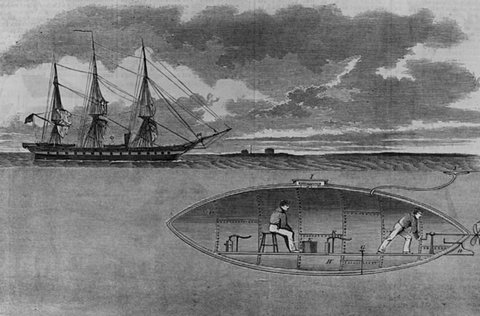
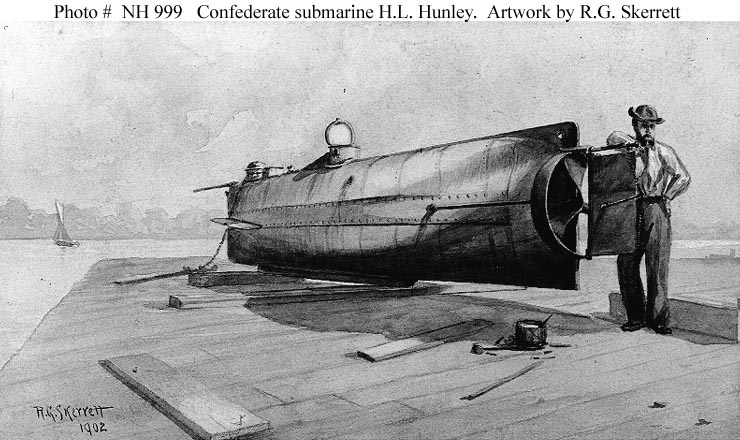
hunleydock150 years ago tonight the Union 205 foot long sloop of war USS Housatonic reeled from an explosion and sank off the coast of Charleston, South Carolina.  The shallowness of the water, only about 25 feet deep,  would save most of Housatonic’s crew.  They climbed the masts and into the rigging to await rescue, only 5 out of a crew of 155 lost their lives.  As one of the survivors, Robert Flemming, clung to the rigging waiting for rescue, he saw something low on the water: a blue light.  He didn’t know it then, Continue reading

USS Monitor Lab Dark and Shuttered

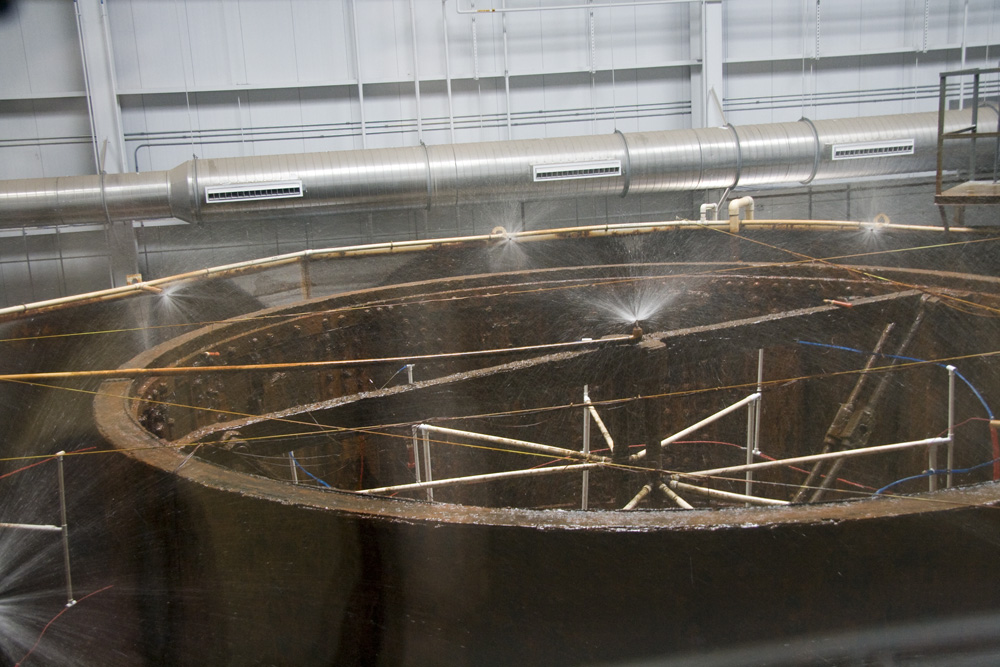
Photo taken during September 2011 visit to Mariner's Museum.

NOAA doesn’t have the funding to support operations of the USS Monitor wet lab at the Mariner’s Museum. While the regular museum, and I assume the research library, is still open, the lab with the tanks that house the turret, guns, engine, and other artifacts, have had the lights turned off and the tanks covered with tarps.

You can read the full story in the Virginia Pilot’s Online Edition.

The Mariner’s Museum web page has the full press release and various links of use.

There’s also a Change.org petition on the matter.

Wreck of Gunboat USS Westfield Recovery

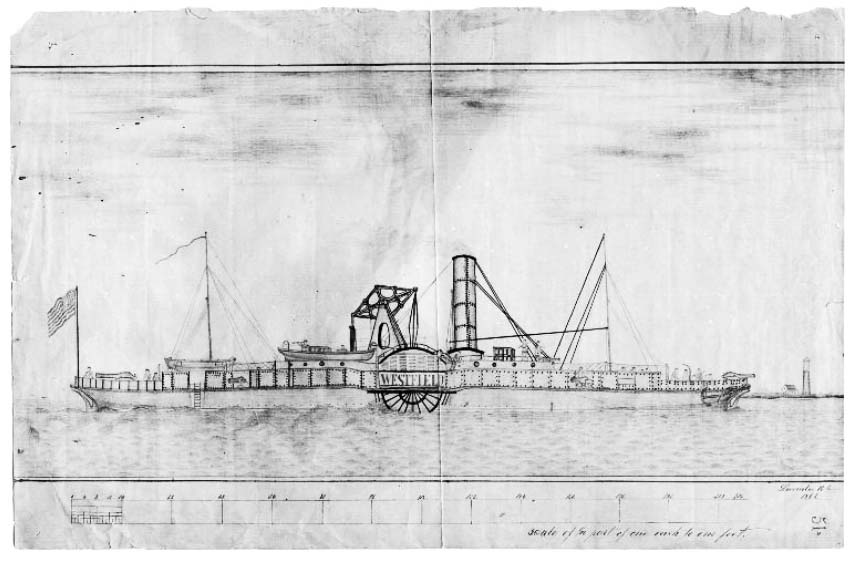
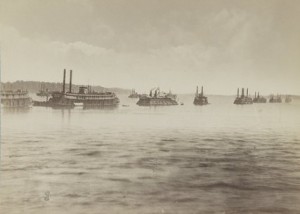
USS Westfield image from gulfwrecks.netOne of my big areas of interest that I’ve yet to really delve into in Civil War history is that of the ferry gunboats. When President Lincoln immediately implemented a blockade in 1861, there simply weren’t enough ships in the Union Navy to seal off the Confederate ports. The government set to buying anything that would float, including New York City ferries. The idea of a Staten Island ferry, loaded with guns, sent south and made a Continue reading

July 1st, 1863: Pawns

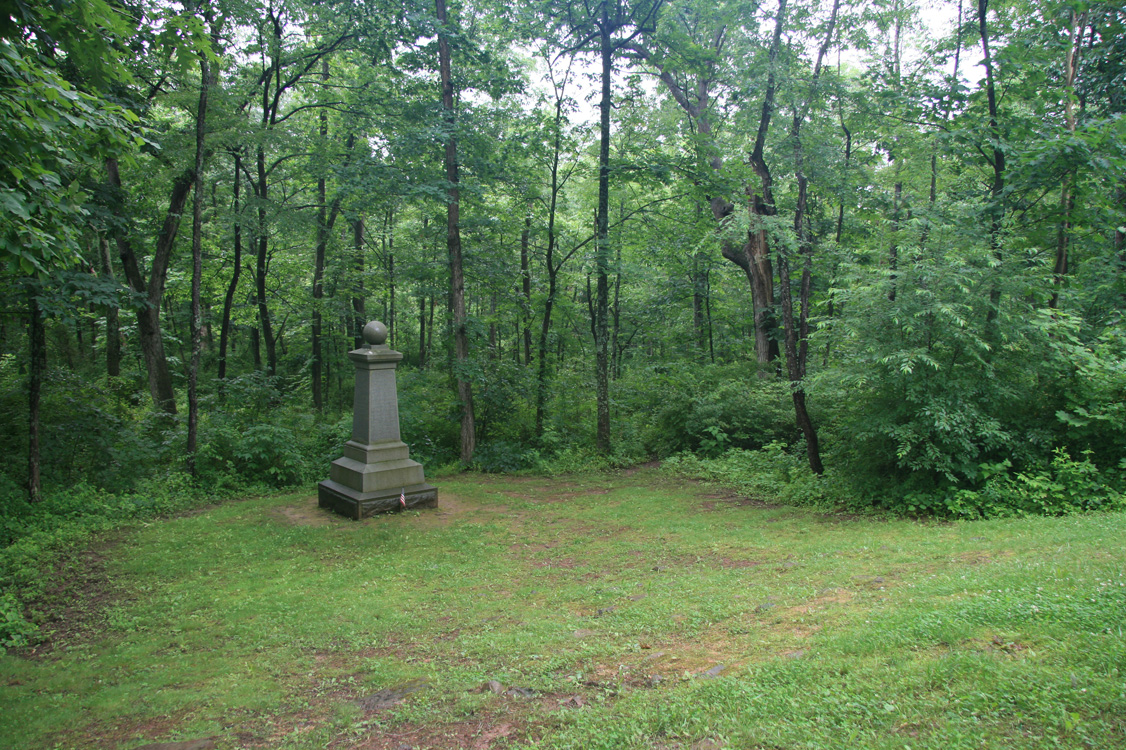
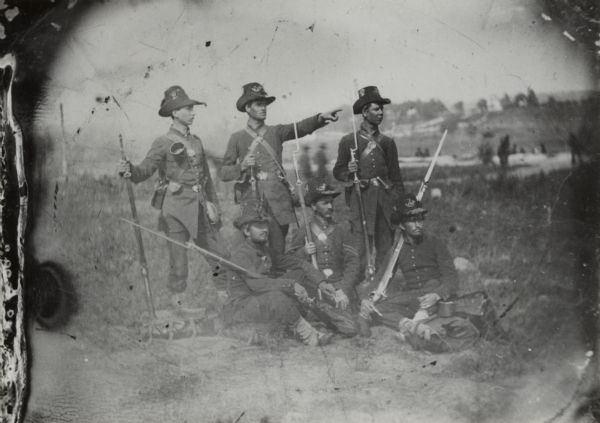
Among the first units of the Army of the Potomac to pass into Pennsylvania on June 30th, 1863, the Iron Brigade enjoyed the cheering crowds and free food from grateful civilians that Robert E. Lee’s “Army of Liberation” had been expecting but never saw. The men that made up the Brigade — of the 2nd, 6th and 7th Wisconsin, the 19th Indiana, and the 24th Michigan — spent the night camped where Marsh Creek crosses the Emmitsburg Road (this area today is a non-descript dip in Highway 15, but if you know what to look for, you can find it). Members of the 19th Indiana pulled picket duty on the northern border of the camp, and found themselves the very tip of the spear of the Union Army, the furthest north and closest to the enemy. A few of the men on picket duty noticed a prominent hill in the distance that passing locals identified as Big Round Top, just outside of the town of Gettysburg.

The men had been told by those in charge that there were no Confederates about, and not to expect action on July 1st, but a detachment of John Buford’s cavalry passed through the camp late on the 30th and the horsemen spoke of going to greet some enemy infantry just down the road. Elements of Buford’s cavalry had fought with the brigade throughout the past year, and the Iron Brigade soldiers trusted their take on events more than any general’s. The troopers rode Continue reading

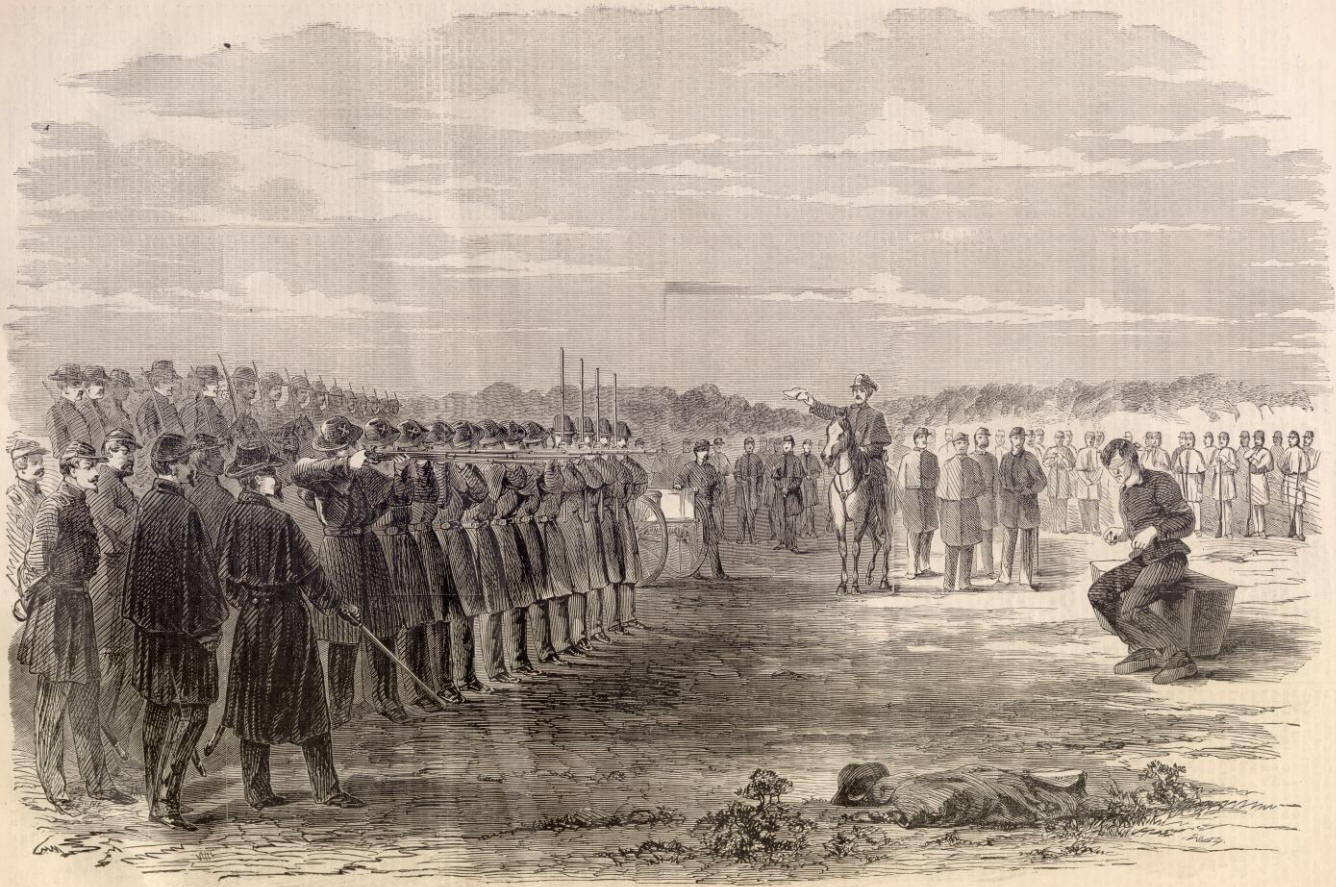
“I was always willing to try to fight for my country, but I never could.”

firing-squad-executionJune 1863 saw messages and telegraph traffic explode to new levels as the North and the Army of the Potomac anticipated General Lee’s next move.  Many expected Lee, fresh from victory at Chancellorsville, to go on the offensive.  The North, wounds still knitting from that battle, reorganized and prepared to match Lee’s movements. Many enlistments in the Army of the Potomac had expired on June 1st, and many one year and ninety-day men went home.  The draw down in man power and influx of new units saw the Iron Brigade re-designated as the First Brigade of the First Division of the First Corps of the Army of the Potomac.  They would now be first on paper, as well as first on the field, in the coming campaign.

The men of the Iron Brigade knew nothing of General Lee’s plans, and continued to rotate on and off of picket duty. Continue reading

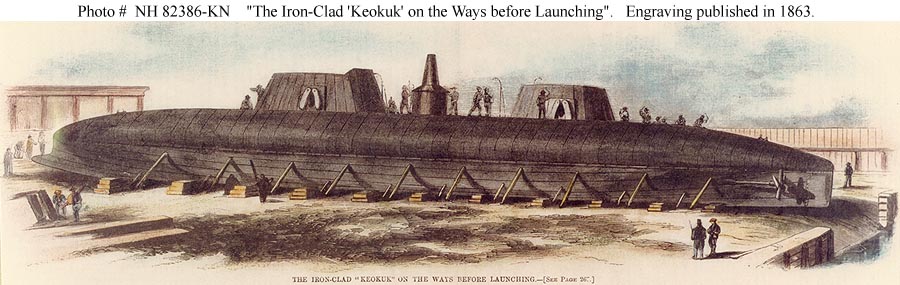
New York Times “Disunion”: Raiding the Keokuk

keokukMy third piece for the New York Times “Disunion” series is now online. “Raiding the Keokuk” is about a daring salvage operation of an enemy warship in contested waters. The warship, USS Keokuk, is one of those oddities of technology that really should never have been built. As necessity during wartime can result in brilliant success — i.e. USS Monitor — it can also generate spectacular failures.

I’m really happy with this piece as I was able to get much closer to individuals and a single ship. USS Keokuk, while not a successful design, was a unique looking vessel, and I have a model of her in-progress that I look forward to completing.

Direct link to article HERE.

Chancellorsville: In Reserve… again.

0704000245-lThe spring of 1863 came to an Army of the Potomac in the midst of change.  After taking command from General Burnside in late January, “Fighting Joe” Hooker spent the early days of the year rebuilding the army, both physically and mentally. Meals were improved, with more fresh food brought in daily. The paymasters got everyone up to date on their pay, removing the burden of worrying about providing financially for those back home.

A new furlough system lessened desertions. Soldiers were granted extended leave to visit home, some for the first time since they’d enlisted more than two years prior. And as the furlough system lessened the number of men deserting, those that had already run were welcomed back. The last three weeks of March 1863 Continue reading

USS Chickasaw Part 9: Stern-O-Plasty

I’d planned on the joining of the upper and lower hulls on Chickasaw to be an ordeal, but it wasn’t as bad in some respects as I’d expected, but was worse in other respects. While Chickasaw doesn’t have the full “raft over a lower hull” arrangement of the original Monitor or her follow-on Passaic class ironclads, it does exist. While building the lower hull, I exerted too Continue reading