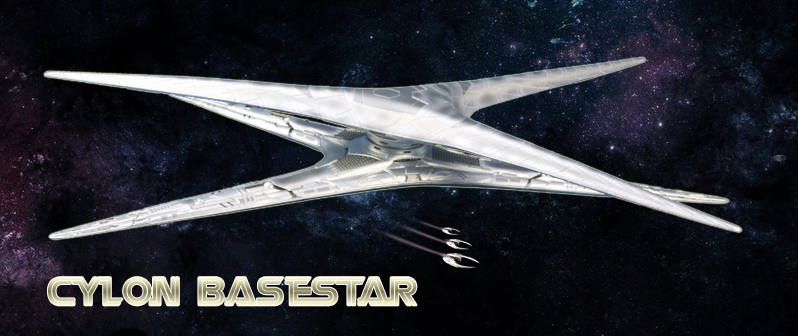
Just finished is the Cylon Basestar from the new Battlestar Galactica television series. A simple design and fun build that really came together with a lot of paint work.
Final photos added to the Model Building section. View by clicking HERE.
Just finished is the Cylon Basestar from the new Battlestar Galactica television series. A simple design and fun build that really came together with a lot of paint work.
Final photos added to the Model Building section. View by clicking HERE.
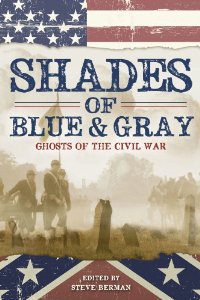
“Shades of Blue and Gray”, an anthology of Civil War ghost stories, including my short “Spectral Drums” is now available online at Barnes and Noble and Amazon.com.
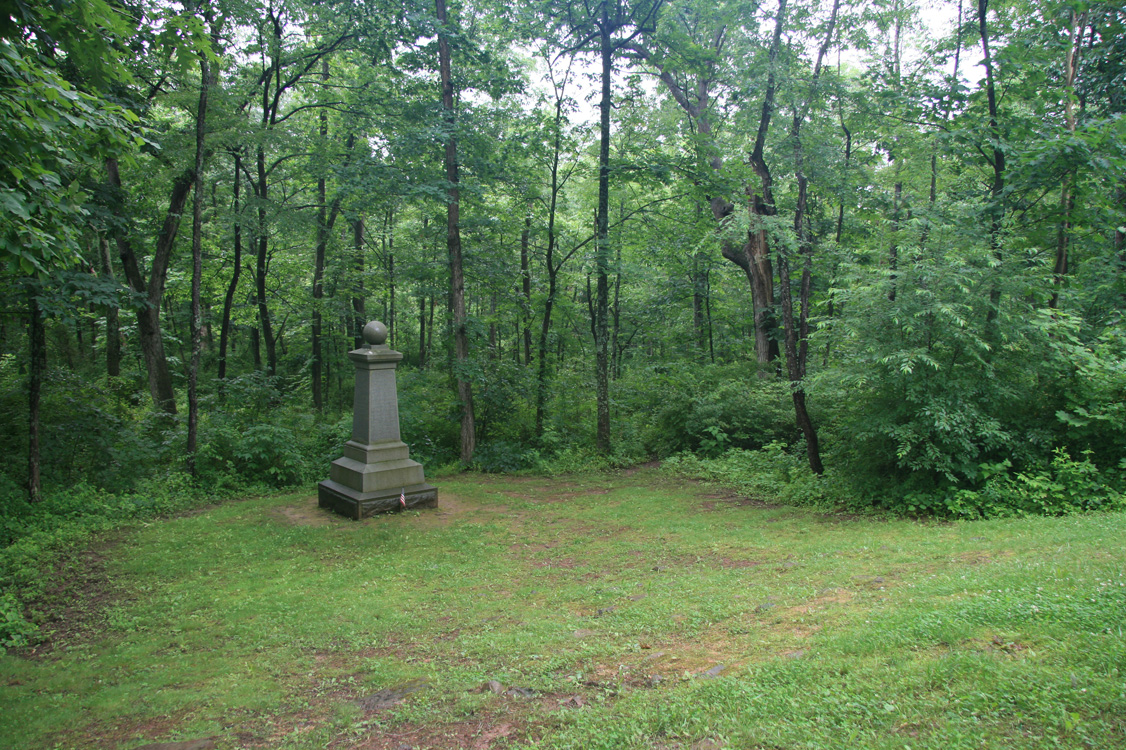 Among the first units of the Army of the Potomac to pass into Pennsylvania on June 30th, 1863, the Iron Brigade enjoyed the cheering crowds and free food from grateful civilians that Robert E. Lee’s “Army of Liberation” had been expecting but never saw. The men that made up the Brigade — of the 2nd, 6th and 7th Wisconsin, the 19th Indiana, and the 24th Michigan — spent the night camped where Marsh Creek crosses the Emmitsburg Road (this area today is a non-descript dip in Highway 15, but if you know what to look for, you can find it). Members of the 19th Indiana pulled picket duty on the northern border of the camp, and found themselves the very tip of the spear of the Union Army, the furthest north and closest to the enemy. A few of the men on picket duty noticed a prominent hill in the distance that passing locals identified as Big Round Top, just outside of the town of Gettysburg.
The men had been told by those in charge that there were no Confederates about, and not to expect action on July 1st, but a detachment of John Buford’s cavalry passed through the camp late on the 30th and the horsemen spoke of going to greet some enemy infantry just down the road. Elements of Buford’s cavalry had fought with the brigade throughout the past year, and the Iron Brigade soldiers trusted their take on events more than any general’s. The troopers rode Continue reading
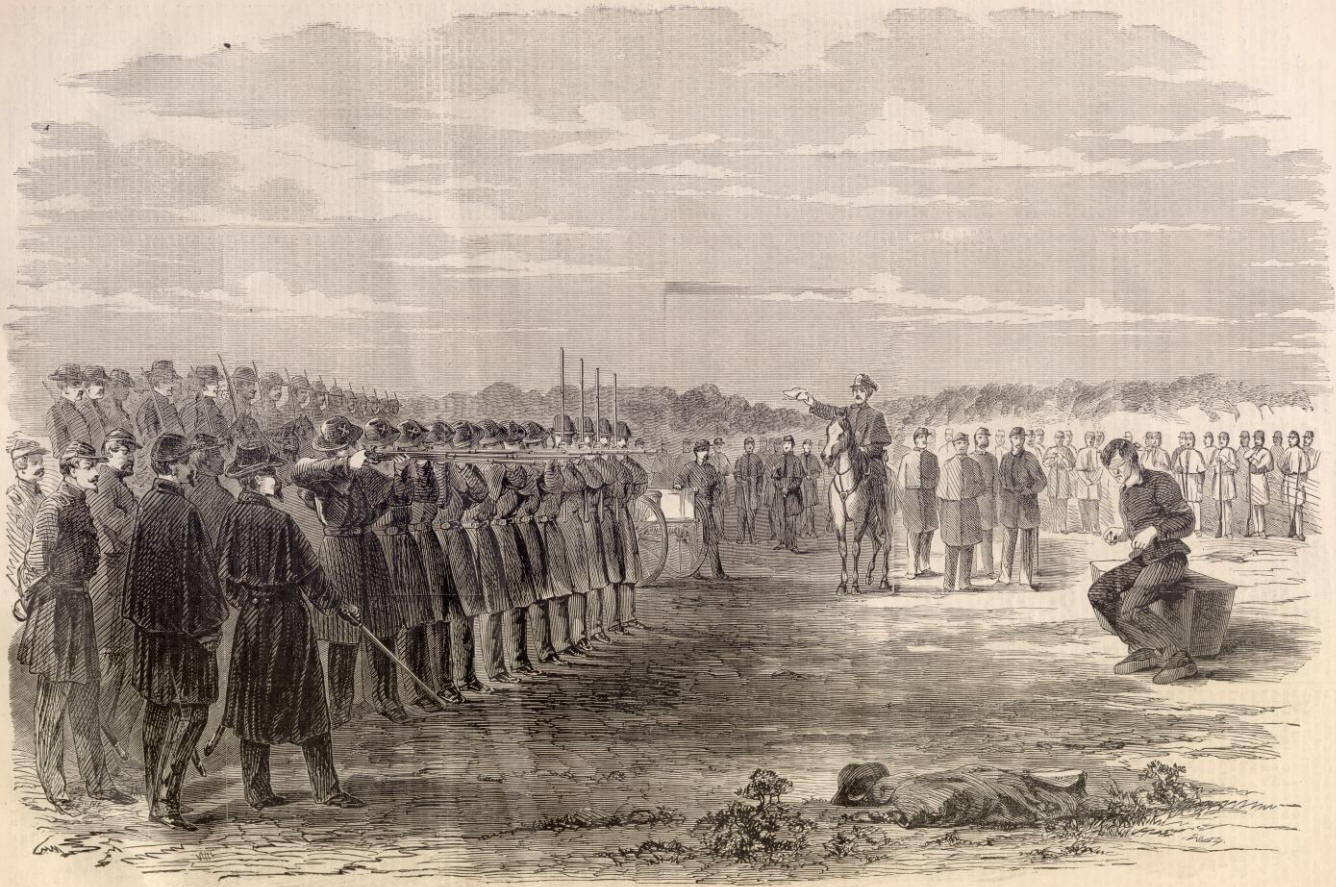 June 1863 saw messages and telegraph traffic explode to new levels as the North and the Army of the Potomac anticipated General Lee’s next move. Many expected Lee, fresh from victory at Chancellorsville, to go on the offensive. The North, wounds still knitting from that battle, reorganized and prepared to match Lee’s movements. Many enlistments in the Army of the Potomac had expired on June 1st, and many one year and ninety-day men went home. The draw down in man power and influx of new units saw the Iron Brigade re-designated as the First Brigade of the First Division of the First Corps of the Army of the Potomac. They would now be first on paper, as well as first on the field, in the coming campaign.
The men of the Iron Brigade knew nothing of General Lee’s plans, and continued to rotate on and off of picket duty. Continue reading
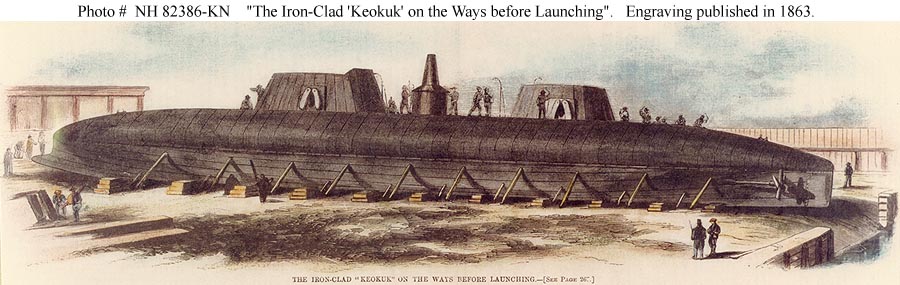 My third piece for the New York Times “Disunion” series is now online. “Raiding the Keokuk” is about a daring salvage operation of an enemy warship in contested waters. The warship, USS Keokuk, is one of those oddities of technology that really should never have been built. As necessity during wartime can result in brilliant success — i.e. USS Monitor — it can also generate spectacular failures.
I’m really happy with this piece as I was able to get much closer to individuals and a single ship. USS Keokuk, while not a successful design, was a unique looking vessel, and I have a model of her in-progress that I look forward to completing.
Direct link to article HERE.
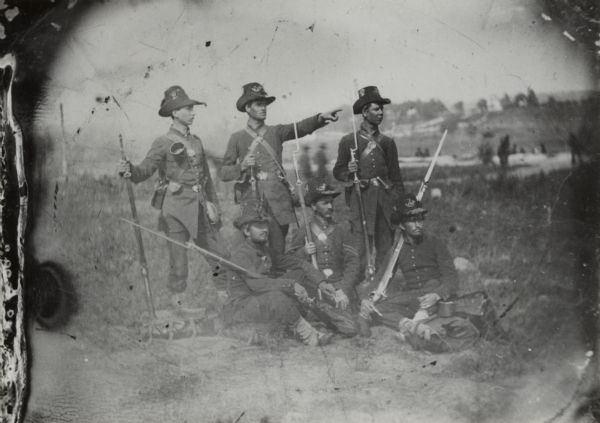 The spring of 1863 came to an Army of the Potomac in the midst of change. After taking command from General Burnside in late January, “Fighting Joe” Hooker spent the early days of the year rebuilding the army, both physically and mentally. Meals were improved, with more fresh food brought in daily. The paymasters got everyone up to date on their pay, removing the burden of worrying about providing financially for those back home.
A new furlough system lessened desertions. Soldiers were granted extended leave to visit home, some for the first time since they’d enlisted more than two years prior. And as the furlough system lessened the number of men deserting, those that had already run were welcomed back. The last three weeks of March 1863 Continue reading

Finished this back in January, but it took a while to get the photos shot and processed. Lots of fun building this one. View photos HERE.
I’m happy to announce that Barnes and Noble and Amazon.com have “Shades of Blue and Gray: Ghosts of the Civil War” up for pre-order, which includes my story “Spectral Drums”.
The full table of contents, which includes many authors I’m proud to be published with, is below:
“Raw Recruits” by Will Ludwigsen
“The Swell of the Cicadas” by Tenea D. Johnson
“Bad Penny” by Carrie Laben
“Spectral Drums” by Devin Poore
“An Occurrence at Owl Creek Bridge” by Ambrose Bierce
“Ten Thousand Miles” by Connie Wilkins
“No More Amongst the Cities of the Earth” by Christopher M. Cevasco
The Country House” by Jameson Currier
“An Unclean Thing” by Cindy Potts
“The Blank Flag of Arthur Kerry” by Kristopher Reisz
“Three Silent Things” by John F. D. Taff
“Across Hickman’s Bridge to Home” by Russell Davis
“Mistress” by Jennifer R. Povey
“Tommy Cleburne” by Jeff Mann
“The Overseer” by Albert E. Cowdrey
“Red Animal” by Ed Kurtz
“Proving Up” by Caren Gussoff
“Vermont Muster” by Nick Mamatas
“Like Quicksilver for Gold” by Chaz Brenchley
“The Beatification of Custer Poe” by Laird Barron
“The Arabella†by Melissa Scott
“The Third Nation” by Lee Hoffman
I’d planned on the joining of the upper and lower hulls on Chickasaw to be an ordeal, but it wasn’t as bad in some respects as I’d expected, but was worse in other respects. While Chickasaw doesn’t have the full “raft over a lower hull” arrangement of the original Monitor or her follow-on Passaic class ironclads, it does exist. While building the lower hull, I exerted too Continue reading
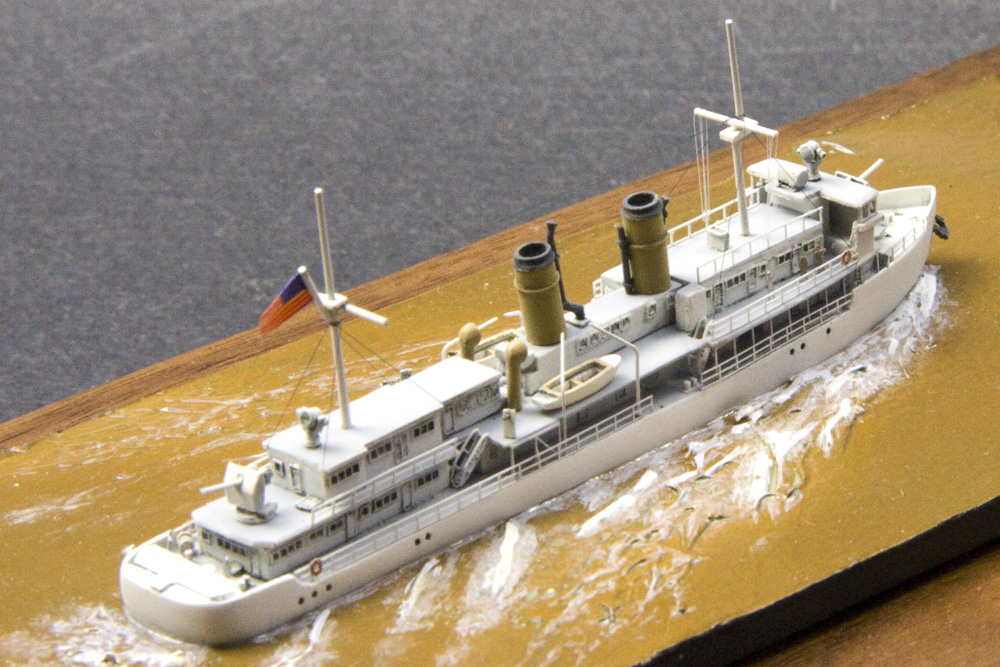 I finished this one late last summer, but I haven’t been much in a photography mood as of late (I still have two other completions to photograph as well).
Something unusual. Overall a fun little kit, but I have to admit that at times I wasn’t having fun at all with some of the smaller bits and more than once Luzon nearly went sailing across a sea of profanities into the from room’s brick wall.
I’ve got a few more of these Niko resin kits from various eras (Great White Fleet, WWII British, and U.S. Cold War missile cruisers), and I’ll surely build something else from them in the future.
More photos and the full story on the build can be seen HERE.