150 Years Ago Today: USS Cairo, Preserved by Gunpowder

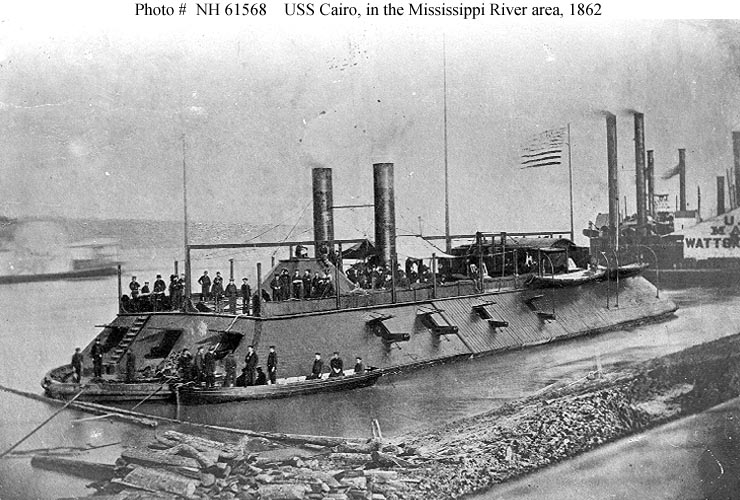
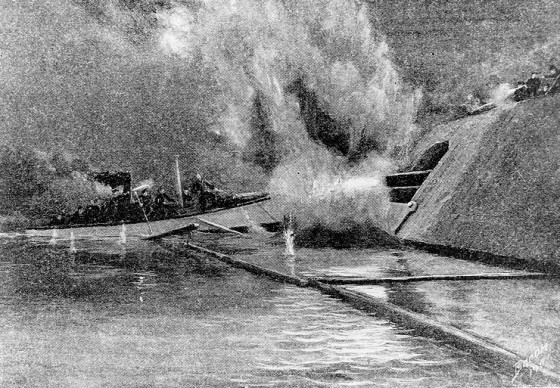
“…I heard an explosion from the Cairo, and on looking up (from a small boat on the river) I saw her anchor thrown up several feet in the air.” – Ensign Walter E.H. Fentress

“…just as we were training on the battery (gun emplacement or torpedo), we were struck by a torpedo, which exploded under our starboard bow, a few feet from the center and some 35 or 40 feet from the bow proper just under our provision store room, which crushed in the bottom of the boat so that the water rushed in like the roar of Niagara.  In five minutes the Hold was full of water and the forward part of the gunboat was flooded… One of our heaviest bow guns had been dismounted by the force of the explosion, injuring three men.” -George Yost.

On December 12th, 1862, the American Civil War saw yet another military first: USS Cairo became the first warship sunk by an underwater mine, or torpedo as they were known at the time. The Union Navy had known of Continue reading

After Antietam: Regrouping

After the Battle of Antietam, the Union Army took time to lick its wounds. President Lincoln and many in the Washington command structure champed at the bit and wanted McClellan and the army in pursuit of the Confederates to follow up on the victory. McClellan, though, stood by his decision to rest his battered forces and regroup.

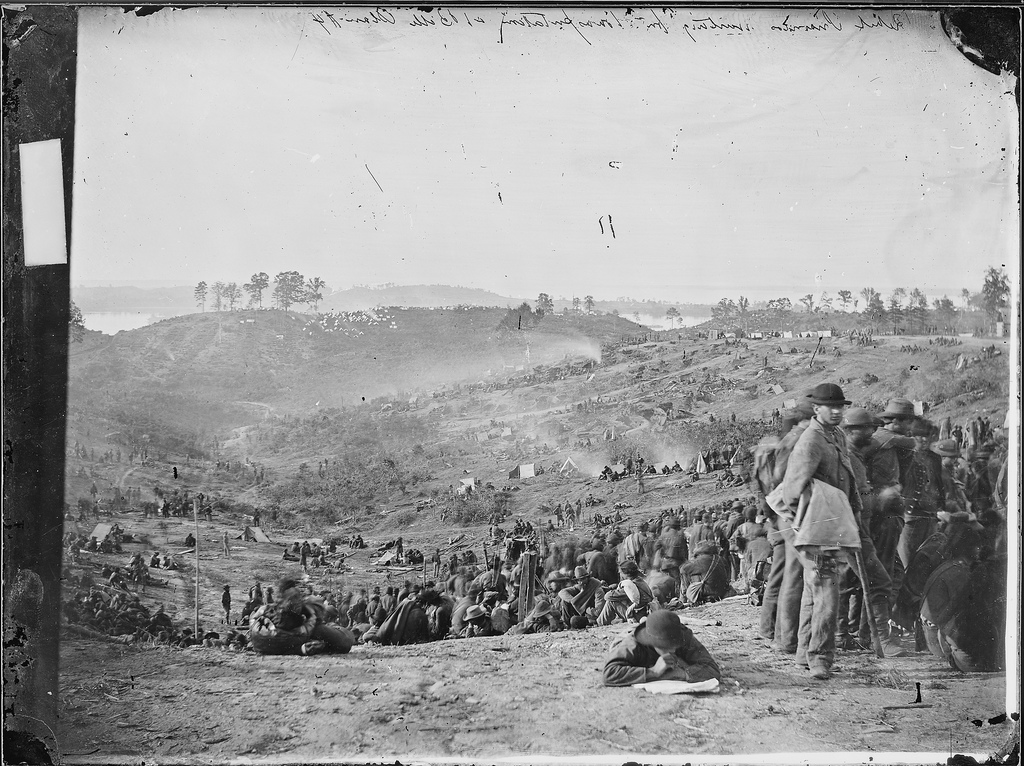
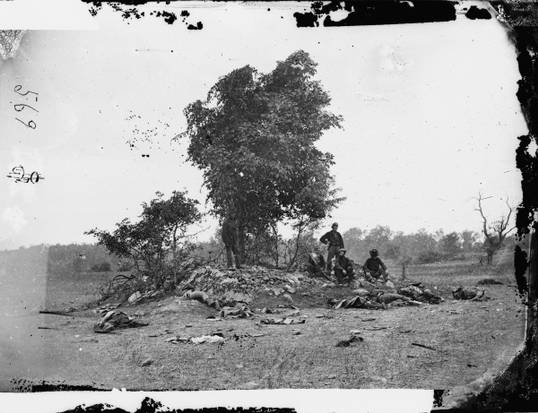
The men of the 19th Indiana and the Iron Brigade rejoiced at the break. They’d been roughly handled in their first three battles, and their numbers depleted drastically. Immediately after the battle the unit camped on the battlefield near the Dunker Church, their objective the morning of the battle. As the fortunate began to trickle in from the hospital, the survivors walked the fields, burying the dead men and feeding huge bonfires to burn the dead horses and mules; inky black smoke towered skywards for weeks afterwards, while Gardner’s photographers walked the battlefield and photographed the carnage.

As they sat in camp, Continue reading

USS Chickasaw Part 8: Final Sheeting

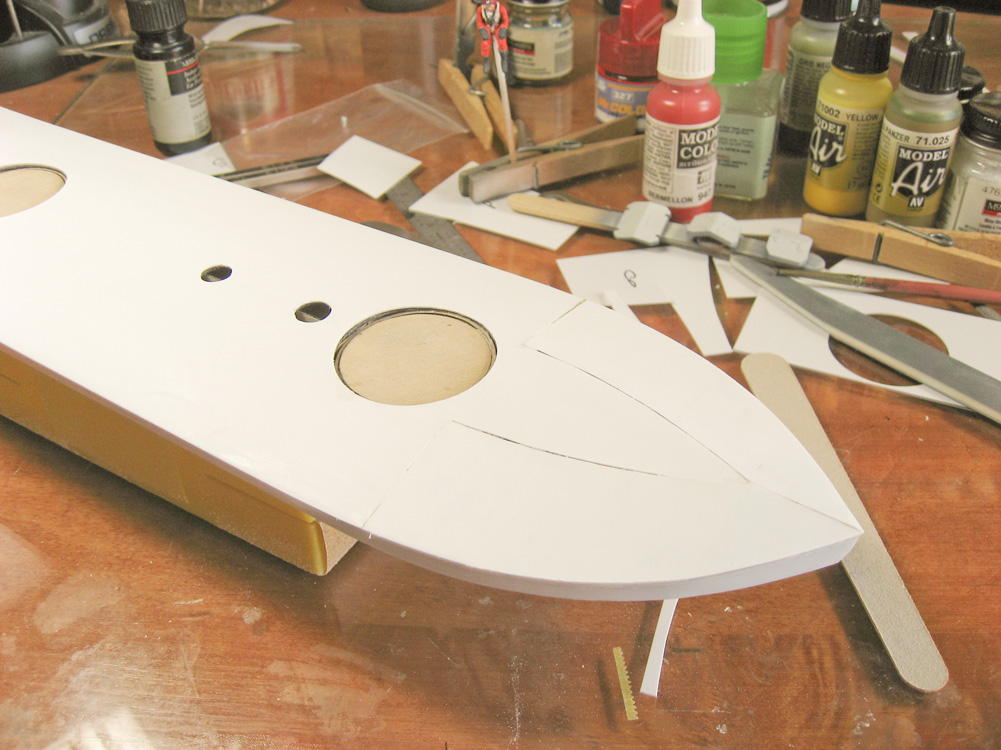
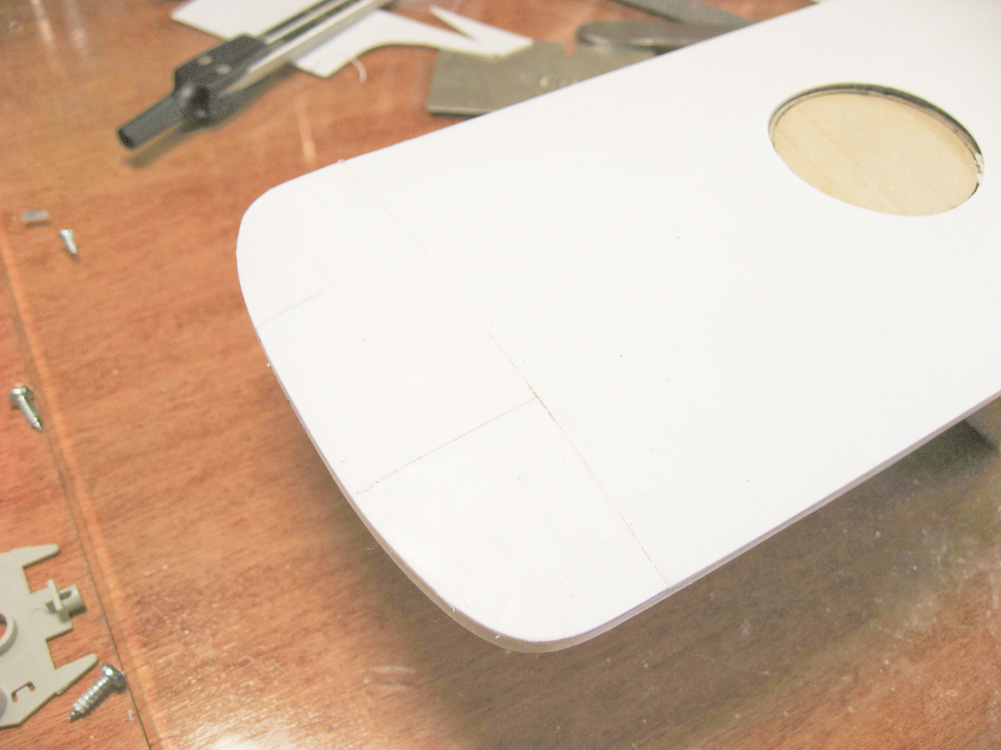
With power out for nearly a week and subsequent clean-up from Sandy, I haven’t done much modeling lately. Yesterday evening I scheduled time to work on the remaining sheeting for Chickasaw, and today I trimmed and sanded the result. A little filling and sanding is left, but then I believe I can prime the two hull halves, do a final check for blemishes, and then assemble the two and begin scribing.

Power Restored!

Saturday night at 8:15 Kristen and I were just finishing dinner, preparing to boil water to fill the bathtub, when the lights came on. We both gaped at each other for a moment or two. We didn’t expect to get power back that soon. Then, forty-five minutes later it went out again. Talk about a downer! Fortunately it came back an hour later, and we’ve had power since 10pm on Saturday night.

Yesterday Kristen cleaned out our bathroom supplies for extra soap, shampoo, toothpaste, and anything else we could donate to the temporary shelters in town. I cleaned out the storage unit Continue reading

Hanging out in (flooded) Hoboken

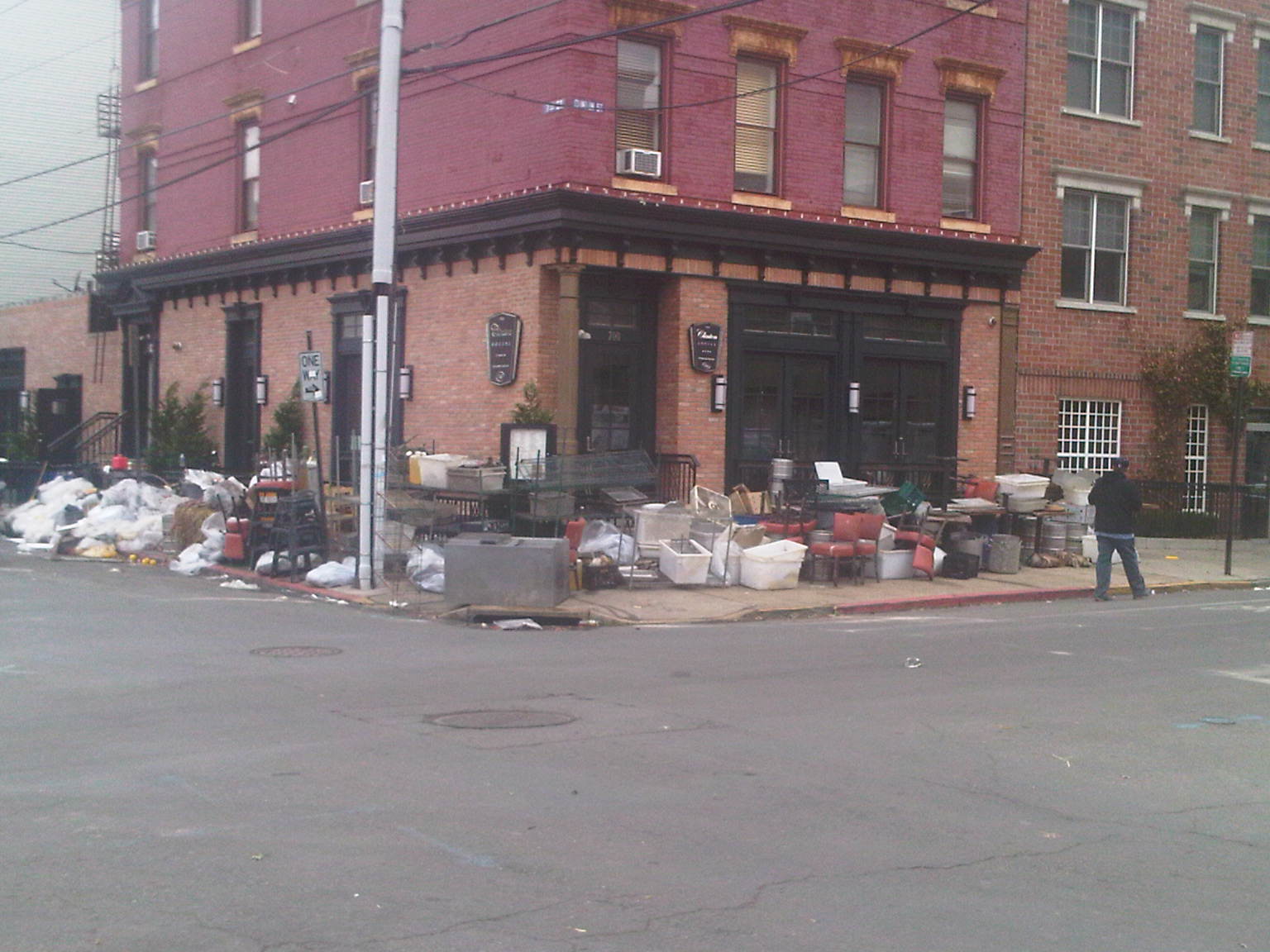
People have been incredibly nice and social since the power went out on Monday night. No crime that we’ve heard of here in Hoboken, but our day has taken on some aspects of a post-apocalyptic society (minus the zombies). We get up every morning and make coffee in the drip Mr. Coffee (heat water in pan, pour it slowly into the filter/coffee chamber, let it drain), cook whatever we need to for breakfast (finished the last of the eggs and bacon yesterday, just as the fridge finally gave up and stopped keeping things cold; we’re on steel cut oats from here on out), clean up a little, and then head out.

When we go out first thing our focus is what most others is: where is there still power, Continue reading

USS Chickasaw Part 7: Cutting Holes

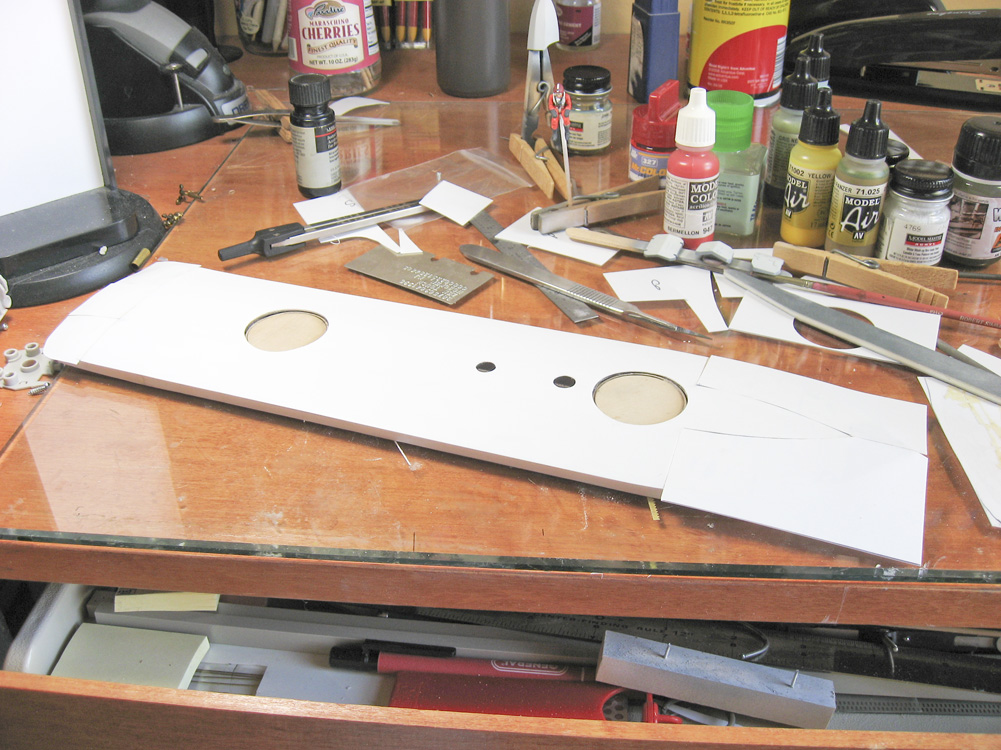
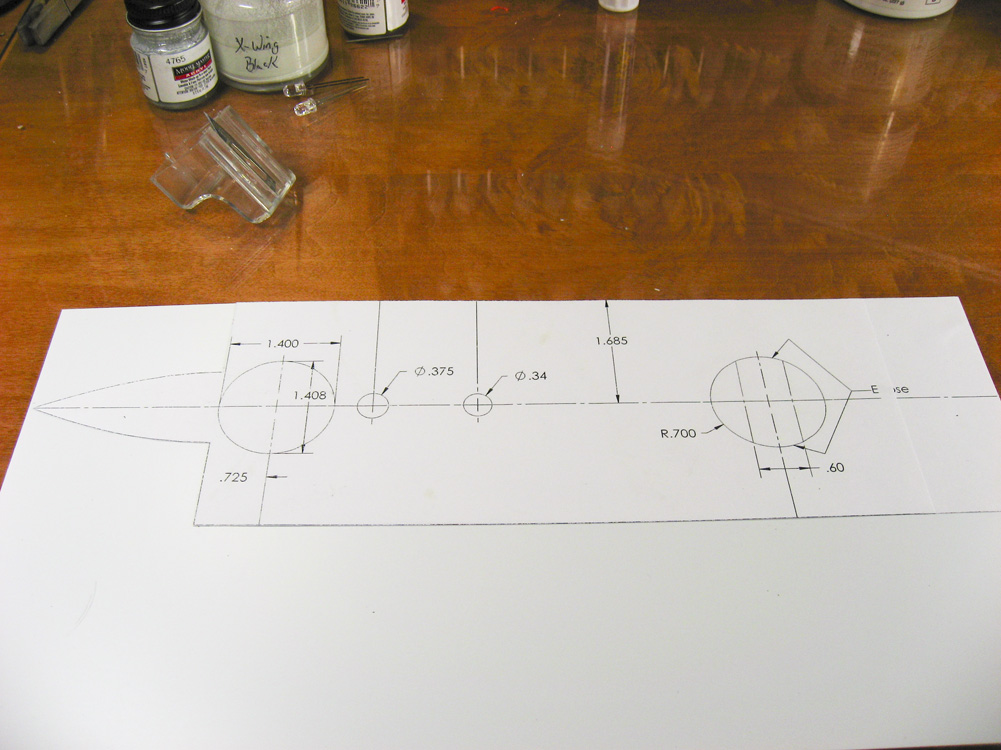
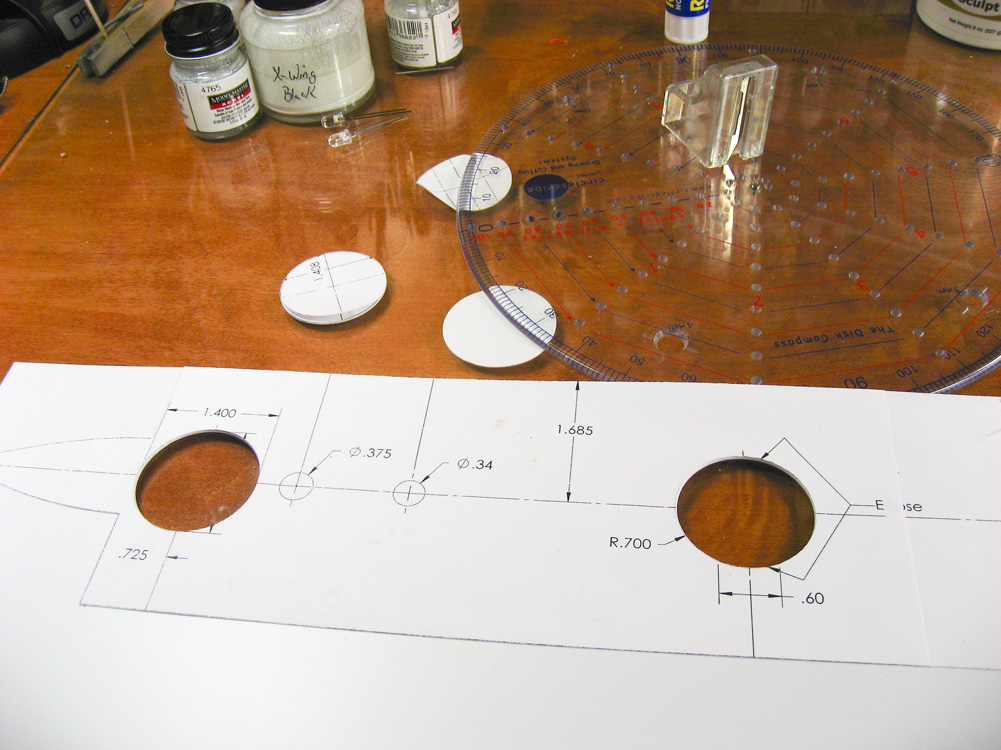
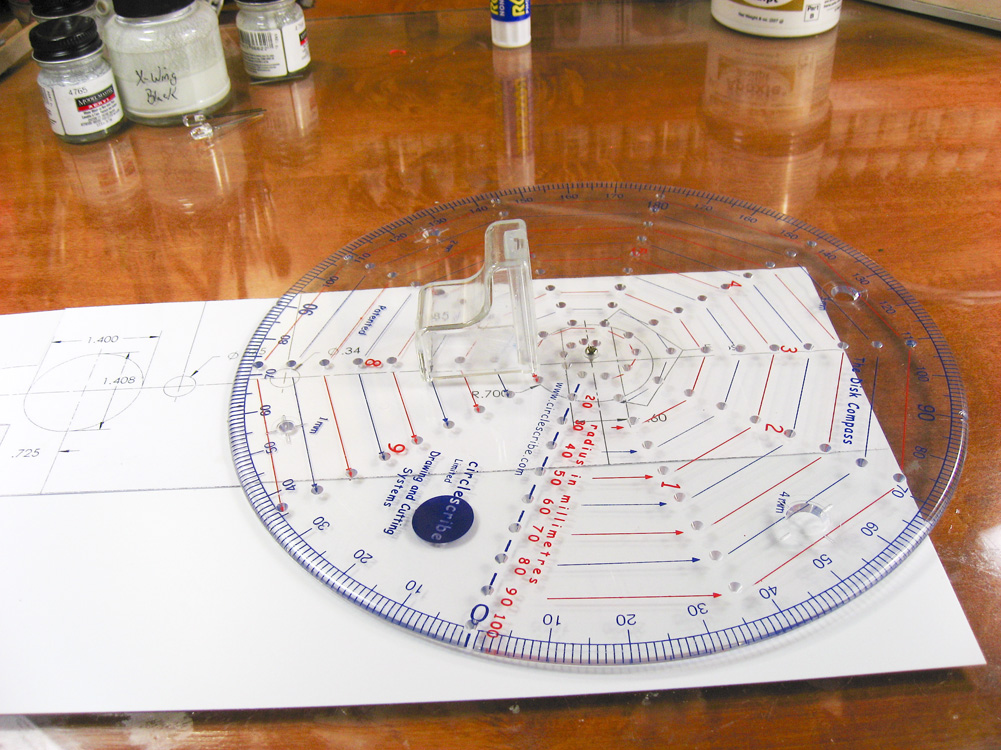
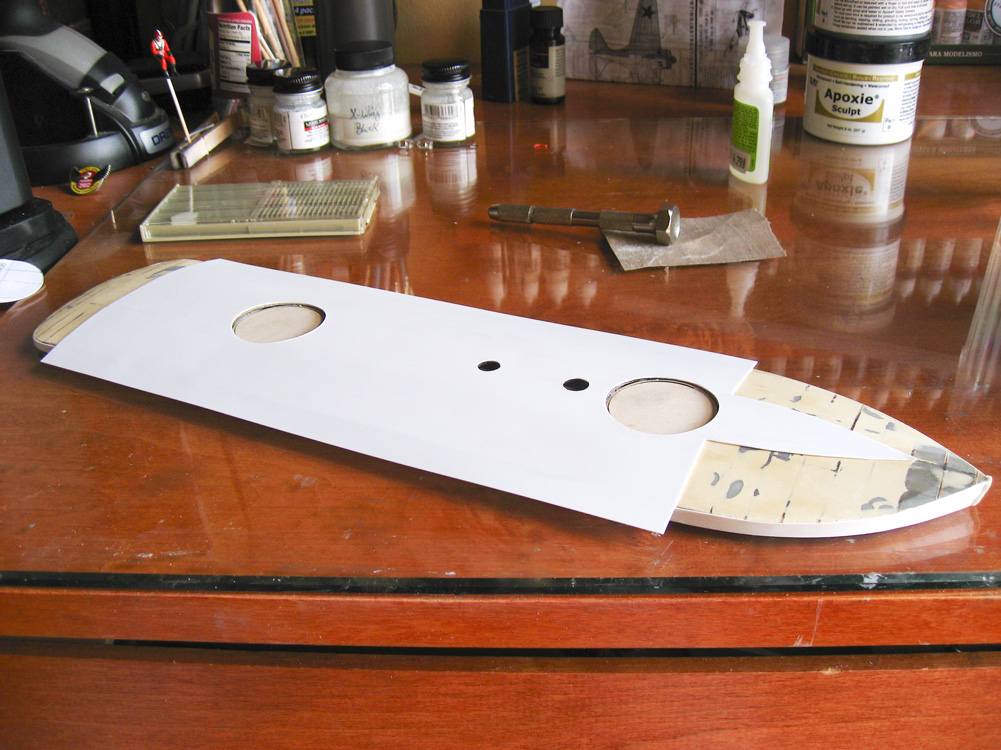
The sheeting continues, but with the sheet for the main deck, it gets tricky. Holes for the turrets, the pilot house, and the stack have to be cut. Initially I drove myself nuts for a day or two trying to figure out the center of the circles, then realized that the camber of the deck makes the circles not entirely of the perfectly-round variety. An email to Dean, the designer, resulted in a template the the centers marked. I glued that to styrene, and away I went…

Location, location, location

I’d lived in Hoboken for a half-dozen years before I realized that Stevens Institute of Technology, right down the road from where we live, has a collection of original USS Monitor drawings. It took a bit longer for me to get it together and query the school about visiting to view the plans. Since then I’ve been going through their original letters and log books on the Stevens Battery, looking for elusive drawings of that cursed ship.

Yesterday, though, it was back to the USS Monitor, as I helped staff, students, and another volunteer, pull all of the drawings and begin photographing them. Our photos are mere reminders of what is there, and their present condition, before they are to be packed up and sent to the Mariner’s Museum in Newport News, VA, for full digitizing, so that others can see what is there. And there are some amazing items: several drawings done in pencil by Ericsson himself, two plans that were obviously used in the machinist shop as they’re covered with fingerprints and spots of oil and dirt, and two color inked drawings of what appear to be Swedish gunboat prototypes that Ericsson designed and drew.

I’m really looking forward to finishing up the project and getting the plans to the Mariner’s, and I’m really hoping we’ll find some more cool stuff in the process.

The Battle of Antietam: September 17th, 1862

Wars are about attrition. They start out with patriotic slogans, promises to protect those who can’t protect themselves, or the notion of righting horrific wrongs, but the series of battles themselves come down to attrition: each side kills as many of the other side until one has lost too many lives or they’ve expended all of their resources in the contest, and they then surrender. That’s it, and it’s rarely more evident than in the Civil War (although World War I has my vote for the most effective campaign to thin humanity’s population), and there’s no greater monument to the loss of life in the Civil War than the Battle of Antietam.

Following the Battle of South Mountain, Union General McClellan had the Confederate armies on the run. Continue reading

Battle of South Mountain: September 14th, 1862

The Battle of South Mountain is obscured and ignored by history, so much so that it’s difficult to write about it. The reason to bring it up in discussion of the Iron Brigade is that they earned their permanent moniker during the battle. While that happened, men fought there, died there. No small skirmish — large portions of both the Union and Confederate armies engaged throughout the day of September 14th in and around the three mountain passes named Fox’s, Crampton’s and Turner’s gap, the battle claimed over 2300 Union and 2600 Confederate casualties.

Unlike Brawner’s Farm, Antietam, or Gettysburg, Continue reading

USS Chickasaw Part 6: Sheeting

Little slow on the build lately. Work got busy, came down with a cold, and my writing has taken an uptick lately as I work on some novel edits. Another delay came from spending time in testing glues with styrene sheeting and the plywood/putty surface. Gorilla Glue, surprisingly, didn’t work at all.  Plastic pulled off like it had been stuck on with Scotch tape. The Gorilla Super Glue Impact-Tough (formulated with rubber particles for elasticity), worked the trick, though, and it holding like nobody’s business. Progress photos below. I hope to have everything sheeted and ready to prime and scribe within a week or so.